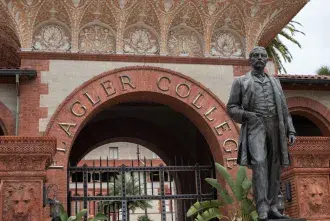


Set in the heart of historic St. Augustine, Flagler offers a campus unlike any other. Towering palm trees line brick pathways; classes take place inside a former Gilded Age hotel, and just beyond the campus gates lies the nation’s oldest city, filled with centuries of history, culture, and coastal charm. It’s a place where students learn, explore, and build their futures surrounded by one of the most distinctive settings in higher education.
If you can't make it for Admitted Student Day, there are still plenty of opportunities to experience everything Flagler College and St. Augustine have to offer.
Whether you’re planning a future admissions tour or simply visiting with family while exploring your college options, there’s plenty to see both on campus and around town. From iconic landmarks and student spaces to historic streets and beautiful beaches, here are a few ways to make the most of your time in St. Augustine.
Before Your Flagler Campus Tour
Register for a Campus Visit or Admissions Event
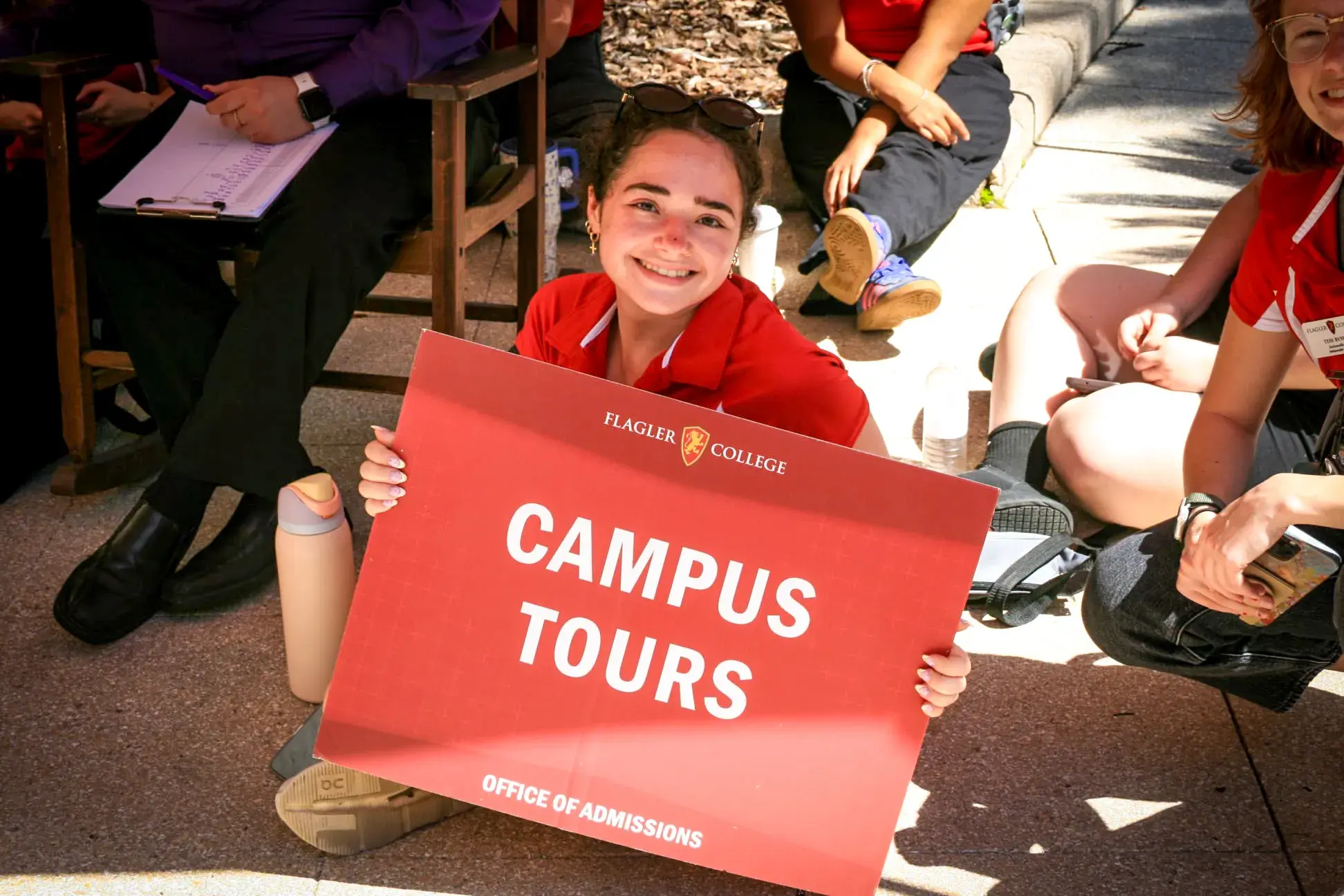
The best way to experience Flagler College is to see it for yourself. Prospective and admitted students and their families can register for a Daily Visit Experience, which includes a guided tour led by one of Flagler’s friendly Student Ambassador tour guides.
During the visit, you’ll learn more about the College, the admissions process, and what life at Flagler is really like while exploring campus through the perspective of a current student.
Visitors can also register for special events throughout the year, including Campus Visit Days and Admitted Students Days, which offer additional opportunities to connect with faculty, staff, and the Flagler community. Once you’ve registered for a tour or event, be sure to review the additional travel information provided by the Office of Admissions as you plan your trip to St. Augustine.
Plan Your Parking
If you’re visiting Flagler College for a Campus Visit Day, admissions tour, or Admitted Students Day, parking will be provided for you. Be sure to follow the instructions shared by the Office of Admissions ahead of your visit to designated locations and directions.
For those exploring campus or St. Augustine on their own, it’s helpful to plan ahead. Founded in 1565, the city was originally designed for foot traffic, which can make parking a bit more limited in the historic downtown area.
Paid parking lots are located throughout downtown, and on-street parking is available in many areas. Metered street parking costs $2.50 per hour and is enforced Monday through Saturday with a four-hour limit, excluding national holidays.
The closest metered parking to Flagler’s main entrance (74 King Street) can be found on Granada Street behind the Lightner Museum. Visitors can also use the Historic Downtown Parking Facility at 10 S. Castillo Drive, which is open 24 hours a day and conveniently located near many of St. Augustine’s major attractions.
For full information on parking throughout the city, visit the City of St. Augustine’s parking page.
Exploring Campus 101
If you prefer a more laid-back, self-guided approach to exploring campus, there are a few spots you won’t want to miss when you arrive.
Start your visit at the main entrance on King Street with a photo alongside the Henry Flagler statue before walking through the iconic entry gate. Just beyond them sits your first must-see destination: Ponce de Leon Hall.
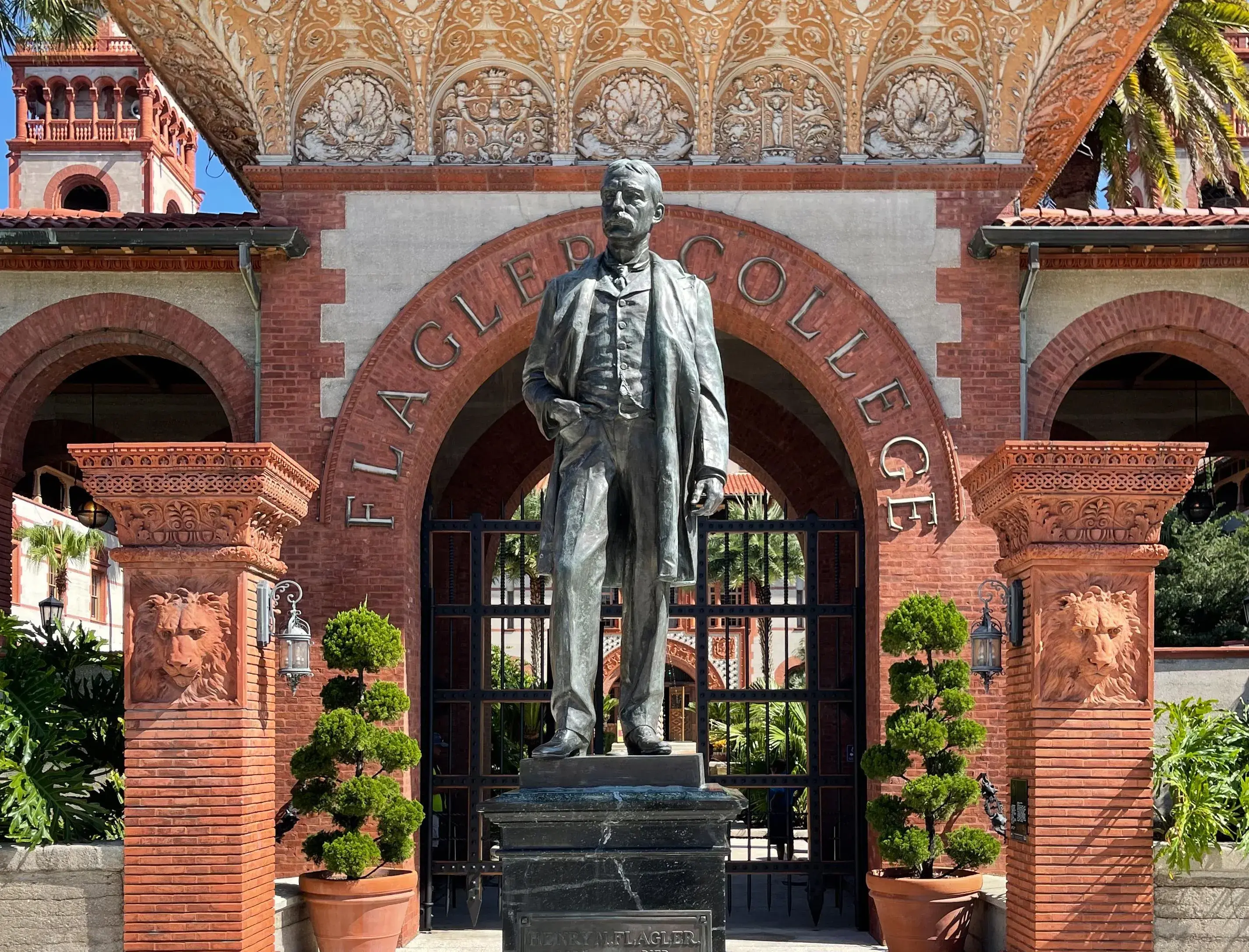
Originally built as the Hotel Ponce de Leon, the building opened in 1888 as a luxury winter resort developed by Henry M. Flagler, a co-founder of Standard Oil who helped transform Florida into a destination for travelers from across the country. Designed in the Spanish Renaissance style by the renowned New York architectural firm Carrère & Hastings, the hotel became a symbol of the elegance and innovation of America’s Gilded Age.
The structure itself was groundbreaking for its time. Built almost entirely of poured concrete using local coquina stone as aggregate, it was also one of the first buildings in the United States designed with electricity from the start, powered by generators installed by Flagler’s friend, inventor Thomas Edison.
Since the founding of Flagler College in 1968, the Ponce has served as the centerpiece of campus life, housing classrooms, offices, and the College’s grand dining hall. In 2025, the historic landmark entered a new chapter following the completion of a $130 million restoration and renovation project, preserving the building’s iconic character while modernizing spaces for future generations of Flagler students.
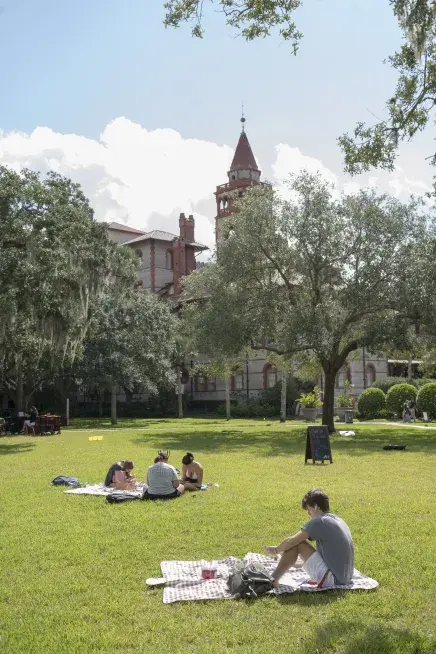
After exploring Ponce de Leon Hall, step through the breezeway and you’ll find yourself on the West Lawn, one of the most active gathering spaces on campus. On any given day, the lawn is dotted with students studying between classes, relaxing in the sunshine, or jumping into a friendly game of spikeball with friends. If you listen closely, you might even catch the sound of live music drifting from the gazebo during one of the campus’s occasional open mic events.
From the West Lawn, visitors also get a glimpse of several other key campus spaces. Just beyond the grass sits Flagler’s on-campus pool and beach volleyball court, popular spots for students looking to unwind after class. The lawn is also surrounded by important campus hubs, including Proctor Library, the Ringhaver Student Center, and several academic buildings, making it a central crossroads of student life.
See the Nation’s Oldest City
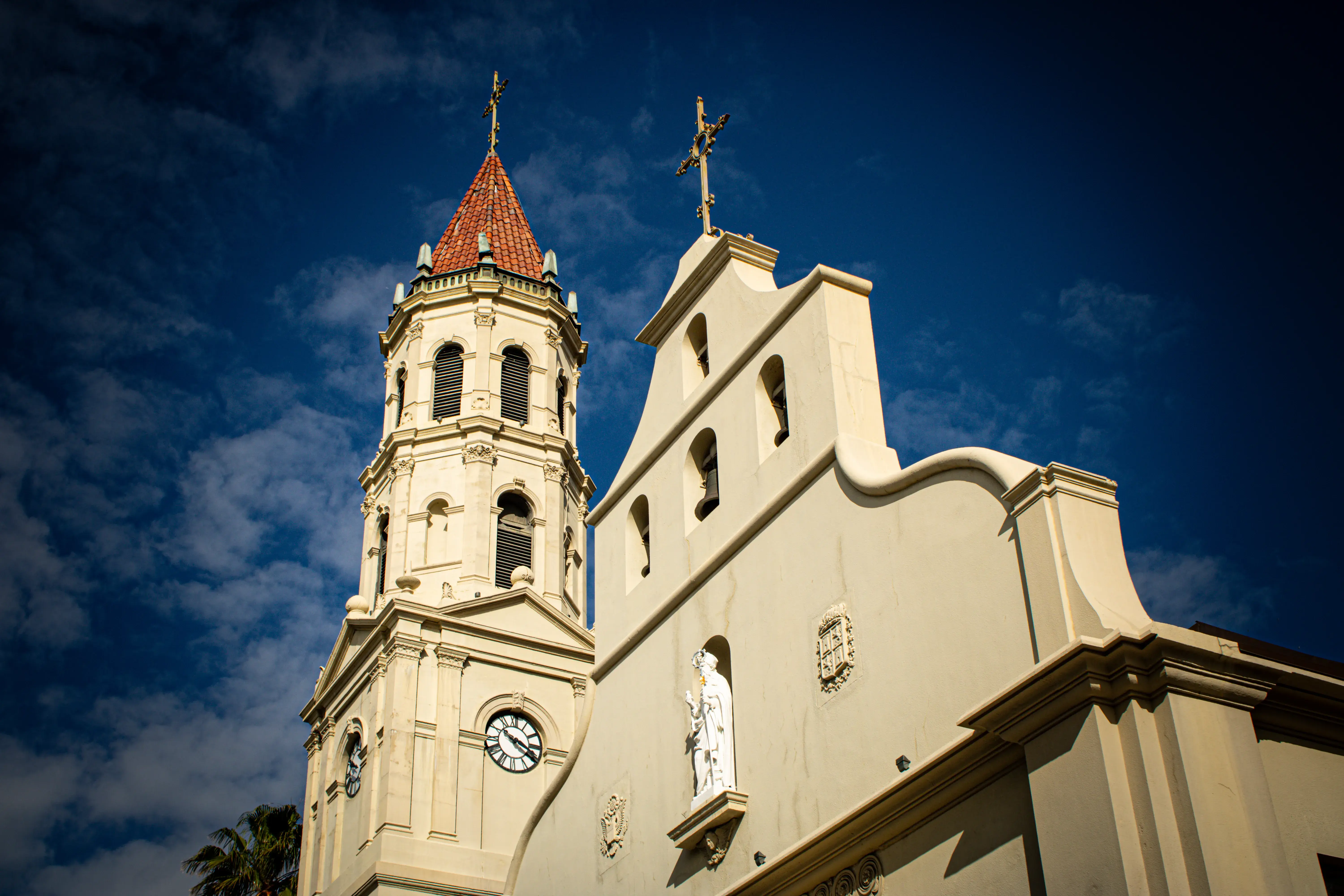
One of the best parts about visiting Flagler College is that some of St. Augustine’s most iconic attractions are just steps from campus. Founded in 1565, St. Augustine is the oldest continuously occupied European-established settlement in the United States, and its historic downtown is remarkably walkable.
For a scenic stroll, head toward St. George Street or Aviles Street, two of the city’s most charming historic corridors. St. George Street has served as a central thoroughfare for centuries and today acts as the lively heart of the historic district, lined with restaurants, bakeries, galleries, and shops. Just a few blocks away, Aviles Street offers a quieter but equally memorable walk. Dating back to the early 1600s, it is widely considered the oldest street in the United States, where brick pathways lead visitors past art galleries, historic homes, and cozy cafés.
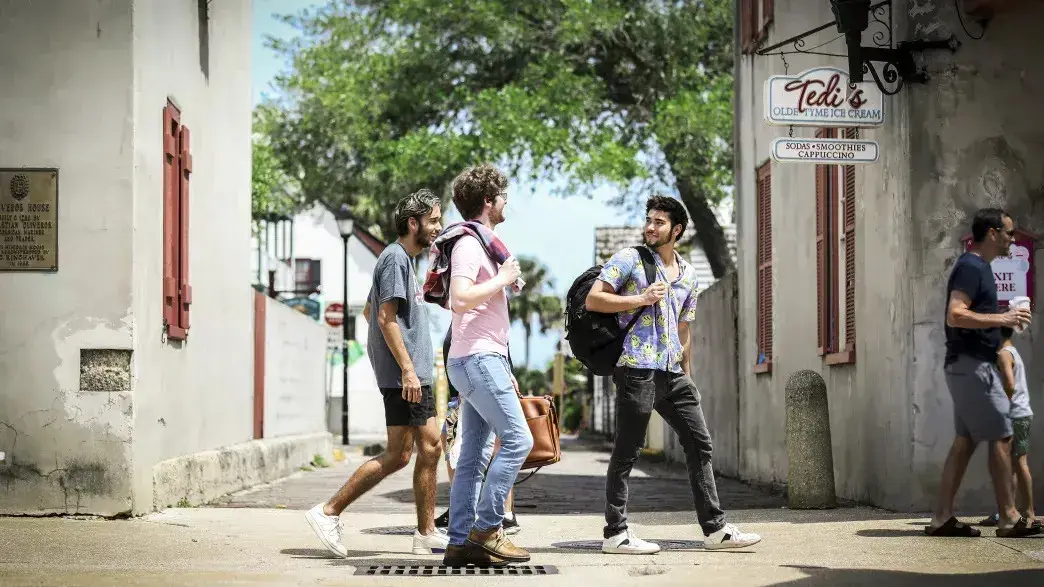
History lovers will find no shortage of landmarks to explore nearby. Along St. George Street, visitors can stop by sites like the Oldest Wooden Schoolhouse, while a short walk toward the waterfront brings you to Castillo de San Marcos National Monument. Built by the Spanish beginning in 1672, the massive coquina fortress remains the oldest masonry fort in the continental United States and stands as a powerful reminder of the centuries of history that shaped both St. Augustine and the nation.
St. Augustine also played a pivotal role in the Civil Rights Movement of the 1960’s. During this time, local churches, businesses, and public spaces became gathering points for protests against segregation, supported by leaders like Martin Luther King Jr. Today, visitors can explore this history through the ACCORD Freedom Trail, a self-guided experience featuring more than 30 markers that highlight key locations from the movement.
In the heart of downtown, Plaza de la Constitución serves as another powerful historic site. Laid out by Spanish Royal Ordinances in 1573, it is the oldest public space in the United States and has long served as a central gathering place for the community. During the Civil Rights Movement, the plaza was a focal point for marches and demonstrations, and today it remains home to the Foot Soldiers Monument and Andrew Young Crossing, honoring those who fought for equality.
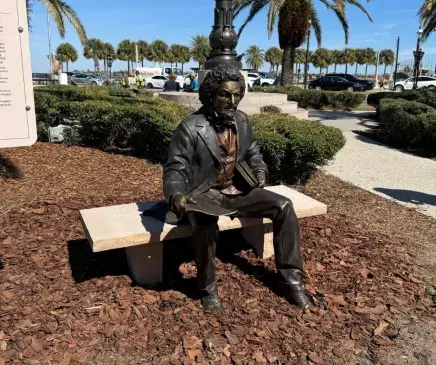
Nearby, a recently installed statue of Frederick Douglass commemorates his 1889 visit to the city, further connecting St. Augustine’s story to the broader arc of American history.
Get Outside
If history isn’t your main focus, St. Augustine also offers plenty of ways to enjoy the outdoors. With Florida’s First Coast just minutes away, visitors have easy access to beautiful beaches, scenic parks, and a variety of outdoor activities.
Just a short drive from campus, St. Augustine Beach offers wide stretches of sand, a fishing pier, volleyball courts, and plenty of space to relax by the water. For a more natural setting, Anastasia State Park features more than four miles of pristine shoreline along with opportunities for kayaking, paddleboarding, hiking, and wildlife viewing among coastal dunes and maritime hammocks.
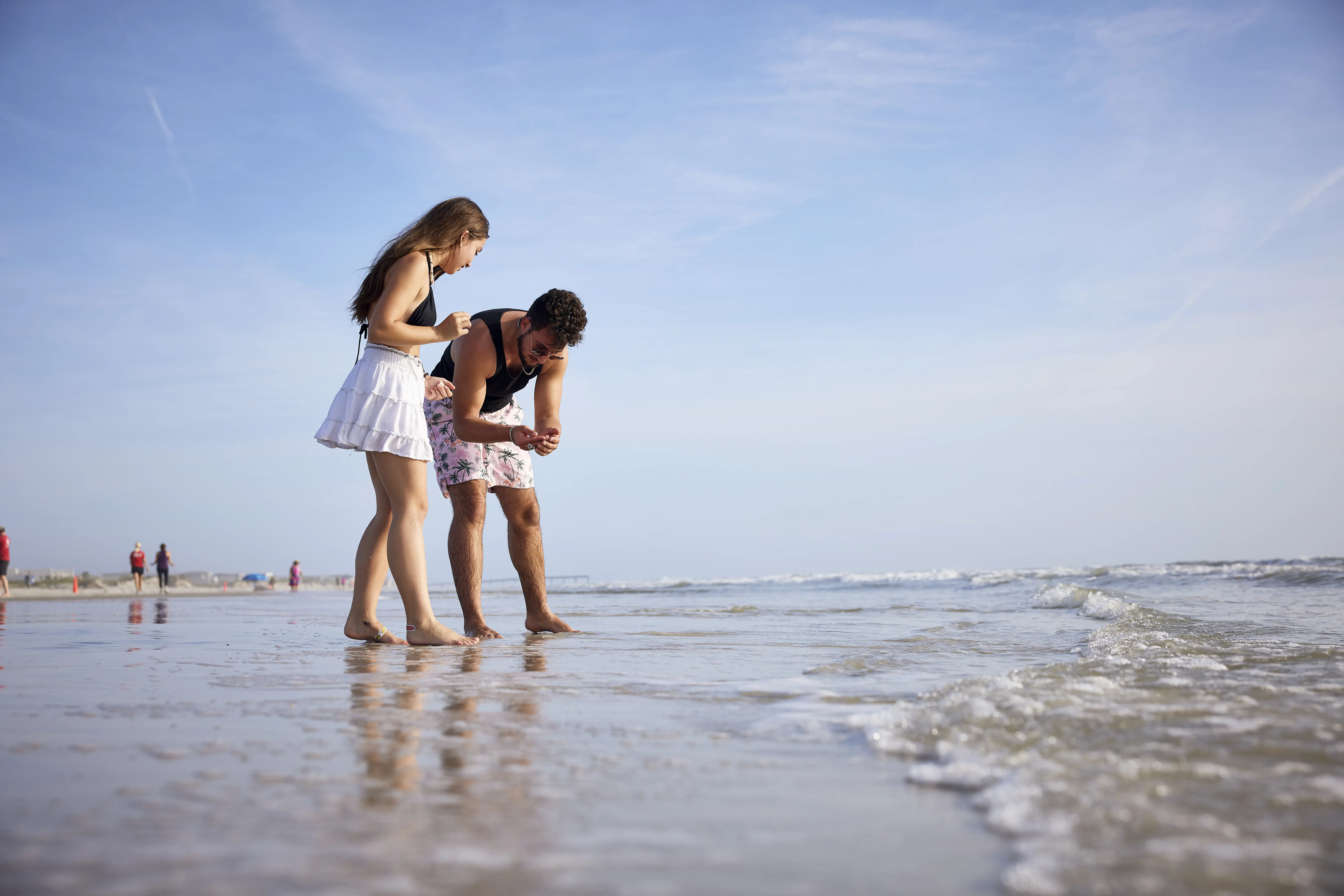
The area is also home to several well-known golf courses, including championship layouts that attract players from across the region. For those who prefer to explore on foot, nearby parks and trails provide scenic paths for walking, running, and biking, making it easy to enjoy the sunshine and coastal landscape that make St. Augustine such a special place to visit.
Whether you spend the day at the beach, tee off on a local course, or take a peaceful walk through one of the area’s parks, getting outside is one more way to experience the natural beauty that surrounds Flagler College.
Eat Like a Local
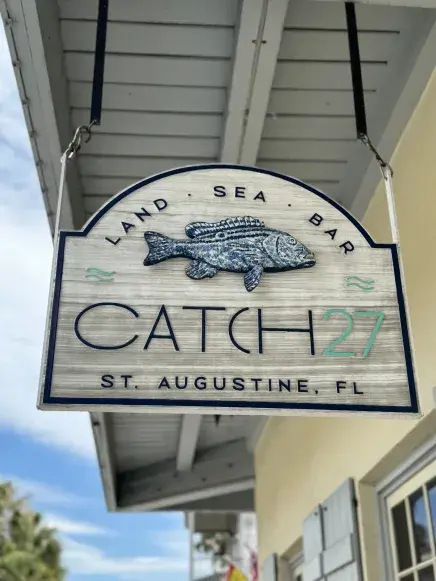
Whether you’re searching for today’s fresh catch or a sweet treat at the end of the day, St. Augustine has everything a foodie could need. From waterfront dining to tucked-away cafés along brick-lined streets, the city’s food scene blends coastal flavors with rich history.
Local staples like the Columbia Restaurant, known for its Spanish-Cuban cuisine, and River & Fort, offering rooftop views alongside modern coastal dishes, are great places to start. Along St. George Street and throughout the historic district, you’ll also find everything from casual bites and coffee shops to bakeries and ice cream stops perfect for a mid-day break.
For a true taste of the Flagler community, consider visiting some of the city’s alumni-owned restaurants, each offering something uniquely their own. Seafood lovers can head to Catch 27 for fresh, locally caught fish and shellfish sourced from Florida waters and prepared with seasonal ingredients. If you’re in the mood for something sweet, Peace Love and Little Donuts serves up warm, made-to-order donuts topped with creative and colorful flavors.
For a relaxed evening out, Bea’s Fine Foods & All Day Café offers a menu of farm-inspired small plates, cast-iron pizzas, and shareable sides, while Sarbez! pairs gourmet grilled cheese sandwiches with craft beer and a lively atmosphere featuring arcade games and live music. Visitors looking for fresh, health-conscious options can stop by Crave, known for its locally sourced ingredients and vibrant outdoor setting, or enjoy a thoughtfully crafted meal and cocktail at Ice Plant Bar, where a focus on quality ingredients and technique brings a unique dining experience to life.
A Saint for the Day
There’s no better way to experience what it’s like to be a Saint than by stepping into the energy of campus life. From cheering on Flagler’s varsity teams to attending engaging guest speakers and campus-wide events, there’s always something happening that brings the community together.
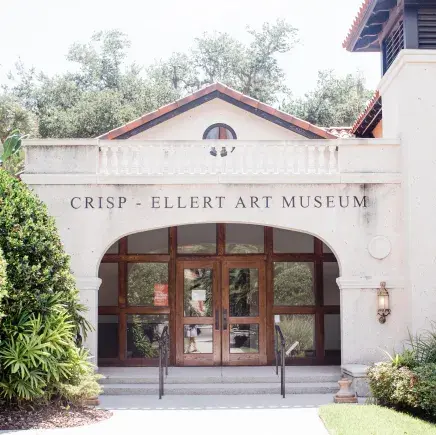
Visitors can explore the Crisp-Ellert Art Museum, a creative hub on campus that regularly hosts public programs including artist talks, readings, panel discussions, and film series designed to spark conversation and inspire new perspectives. For those who enjoy the performing arts, Flagler College Theatre Arts Department presents a variety of productions throughout the year, from fully staged plays to musical performances held in the Lewis Auditorium.
Sports fans can catch the excitement of Flagler College Athletics, which features 17 varsity teams, including nationally ranked programs like women’s lacrosse. Beyond athletics and the arts, Flagler also hosts a wide range of lectures and its Author in Residence program, bringing nationally recognized writers, public officials, and journalists to campus for meaningful conversations and mentorship.