

As part of the FlagSHIP course Iceland: Sustainability in the Land of Fire and Ice, a group of Flagler College students traveled to Iceland in late May to explore the country's remarkable landscapes, innovative sustainability efforts, and rich cultural traditions. Through visits to glaciers, geothermal sites, and historic communities, students experienced firsthand how Iceland's people have built a deep connection with the natural world.
The following reflection, written by junior Amelie Thompson, shares how the journey reshaped her perspective on conservation, community, and the relationship between people and nature. From stories of elves and trolls to breathtaking hikes across volcanic landscapes, Thompson recounts the moments that made the experience both educational and unforgettable.
I chose Flagship’s “Iceland: Sustainability in the Land of Fire and Ice” program because I am interested in pursuing conservation as a career when I graduate. Although I learned a lot about Iceland’s nonrenewable energy sources on the trip, the biggest takeaway was really the country’s relationship with the natural world and the people who swear to protect it.
Our bus rides quickly became some of my favorite parts of the trip, thanks to our incredible guide, Ólöf. As we traveled across the country, she shared stories not only about how Iceland's dramatic landscapes were formed, but also about the traditions, beliefs, and way of life that have shaped its people for centuries.
Among my favorites were the old folktales of elves and trolls, stories that encouraged us to see Iceland's rugged terrain in a different light. During one hike through the mountains, Ólöf paused and pointed to a jagged rock formation rising above the trail.
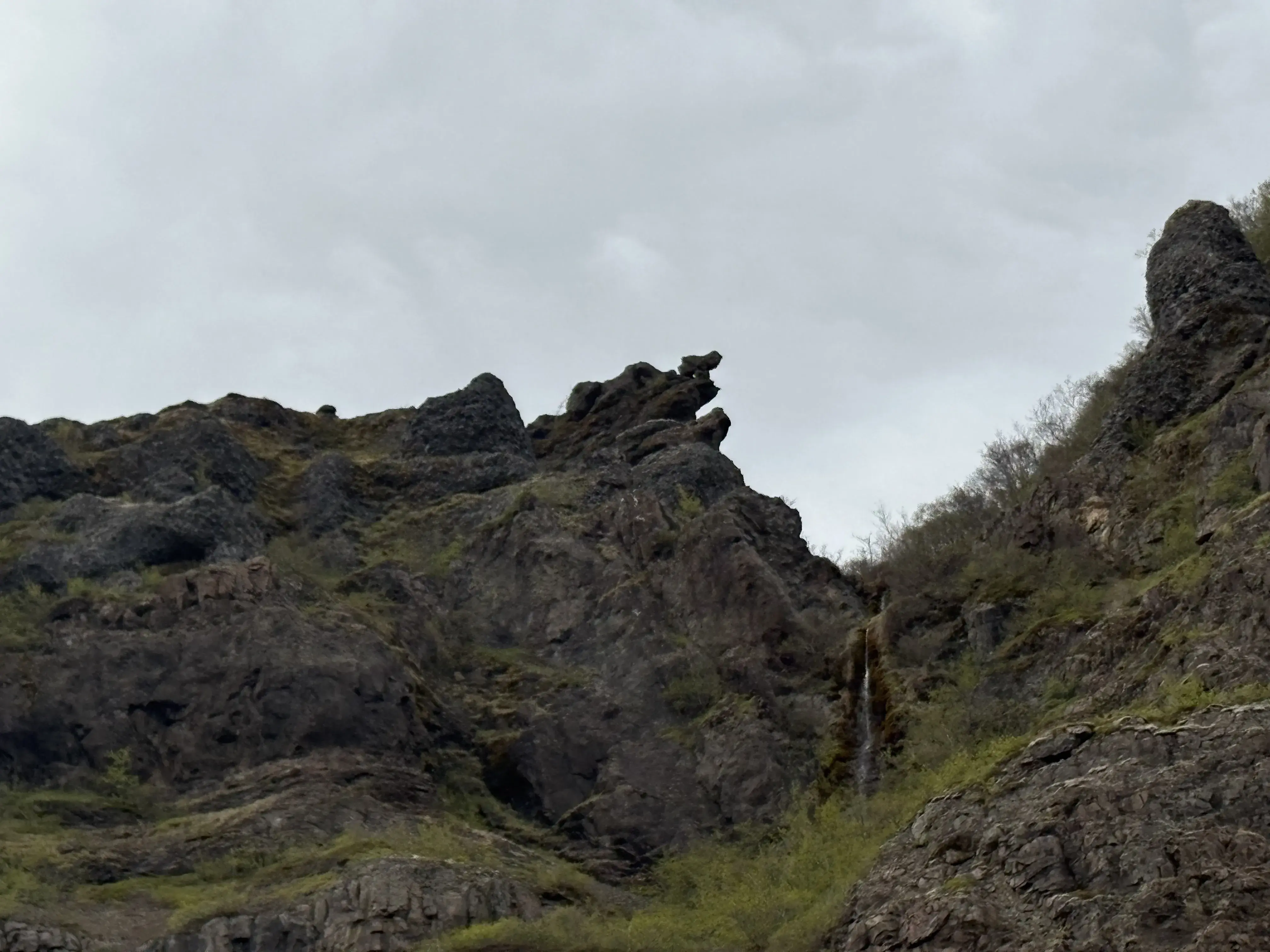
"What do you see?" she asked. "A dragon preparing to breathe fire into the sky, or a troll with a large nose and a gaping mouth?"
In that moment, I realized these stories weren't just myths. They reflected Iceland's deep respect for nature and the imagination it inspires, inviting people to see something magical in the landscape around them.
One story from Ólöf perfectly captured Iceland's enduring connection to folklore. She told us about a new bridge being built in the town of Selfoss. Before construction could begin, a local resident came forward to share a dream in which the "invisible and supernatural" beings were upset that they had not been consulted about the project.
Rather than dismissing the story, construction was temporarily paused while the resident continued "communicating" with the beings. Work resumed only after she confirmed they approved of the bridge.
According to Ólöf, these unseen beings are deeply respected in Icelandic tradition. Their favor is believed to bring protection and stability, while their displeasure can invite misfortune. Taking the time to seek their approval wasn't viewed as an inconvenience, but as a way to ensure the bridge, and the people who would use it, would be protected for years to come.
On top of learning these unique folktales, spending time in a country so closely connected with the natural world allowed me to gain a different perspective of how to coexist with it.
Driving through the valleys and hiking through the hills on our day trips, we were surrounded by open expanses of land, with little human intervention, if any.
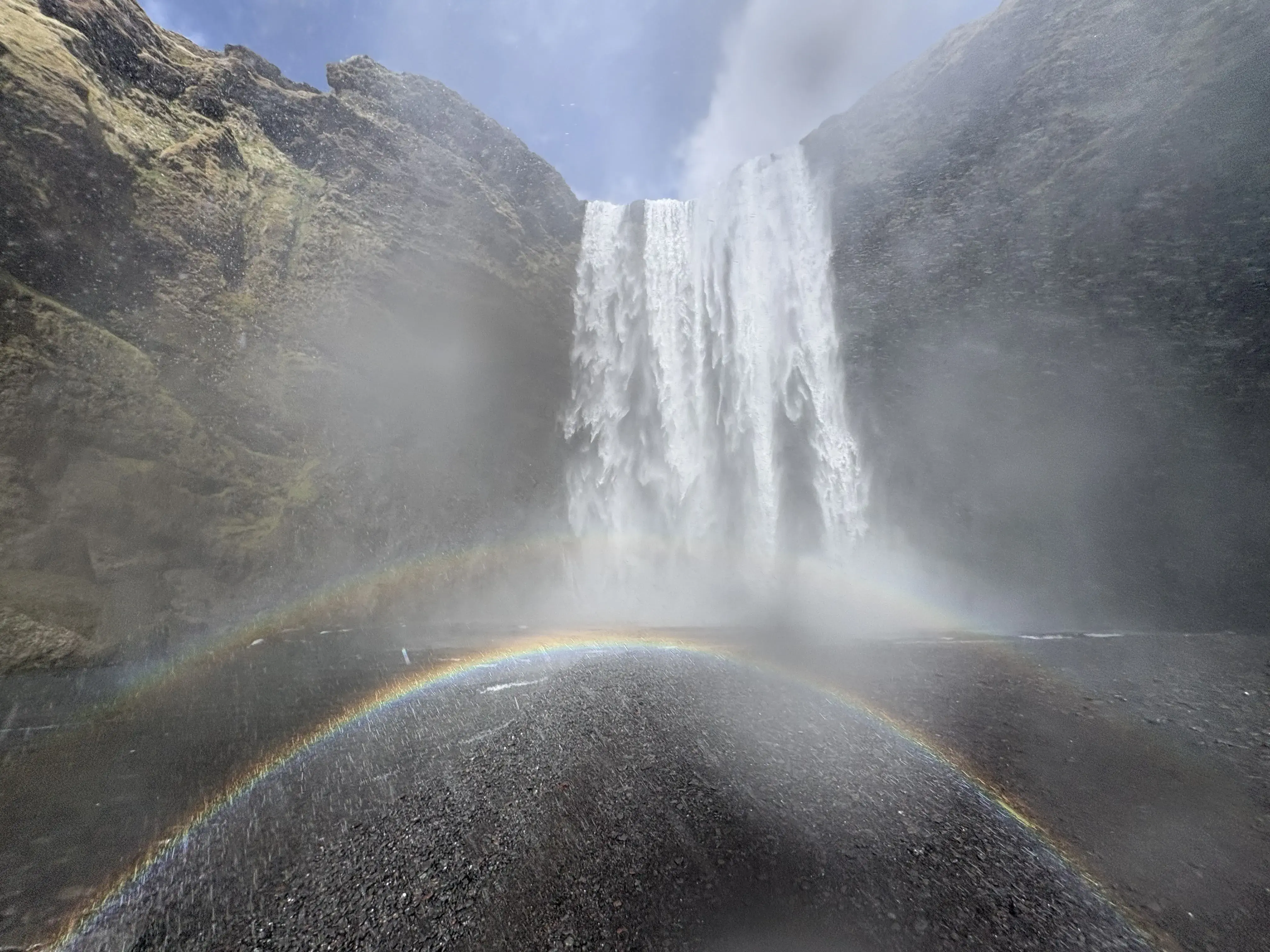
National parks and other natural attractions do not completely block off areas from visitors. Instead, thin ropes hang low to the ground in specified areas and signs outline clear consequences of reckless behavior.
Although only a week long, there is so much I learned and was able to experience while on this Flagship. From waterfalls and hiking to exploring Reykjavík and its history, the trip provided a range of things to do and learn.
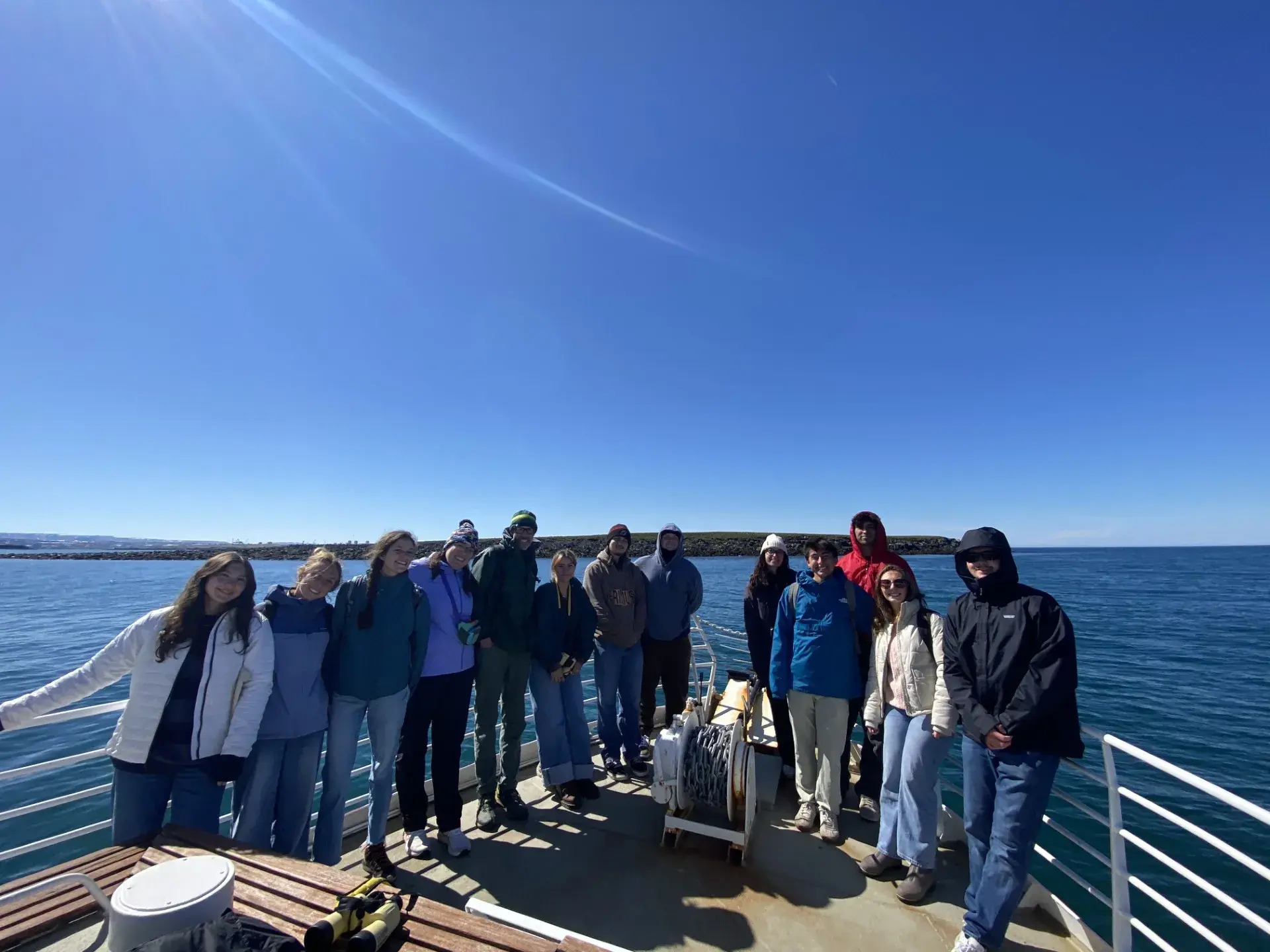
Spending a week experiencing another culture—seeing how much they appreciate and respect their land and the life that inhabits it—helped deepen my own relationship with nature. Conservation is still my passion, but because of this trip I was able to walk away with greater insight into why it is so important.