

After enrolling in Flagler’s “Global Issues and the Pulitzer Center” course, Cardona developed a reporting proposal focused on one of the world's most underreported humanitarian issues: Cuba's rapidly growing elderly population and the unique challenges they face.
Her proposal earned her a spot as one of just 32 students nationwide selected for the Pulitzer Center's 2026 Campus Consortium Reporting Fellowship, providing her with the opportunity to spend several weeks reporting in Cuba alongside mentorship from Pulitzer Center editors.
Flagler College has been a member of the Pulitzer Center Campus Consortium since 2017, giving students the opportunity to engage with pressing global issues through in-depth reporting. Taught by Adjunct Professor Brian Thompson, Flagler's Director of Publications, the course challenges students to research underreported stories and develop original reporting proposals. Each year, one student is selected to receive a Pulitzer Center reporting grant to bring that proposal to life as a Campus Consortium Reporting Fellow.
Cardona knew from the beginning that she needed her project to focus on human rights and social issues. Because she is originally from Puerto Rico and is bilingual, she also knew she wanted to report from a Spanish-speaking country, allowing her to combine her language skills with meaningful, in-depth reporting. As she researched potential topics, she kept returning to one population that was often overlooked.
Cuba is the fastest-aging nation in Latin America and the Caribbean. Roughly one-quarter of the country's population is over the age of 60, and many older adults face food insecurity, limited access to health care, economic hardship, and isolation. Cardona wanted to move beyond the statistics and headlines to document the personal stories behind those realities.
Even before learning she had been selected for the fellowship, she was committed to telling those stories.
"If I didn't get selected, I was going to try to do it (report on Cuba’s elderly) anyway," Cardona said.
When the acceptance email finally arrived, the accomplishment didn't immediately sink in.
"I really did not believe it until I got there," Cardona said.
Finding the Human Story
Cardona traveled to Cuba prepared to conduct interviews. She left with something much greater.
Rather than staying in a hotel, she lived in a neighborhood where she spent her days walking the streets, sharing meals, and getting to know the people whose stories she had traveled hundreds of miles to tell. What began as reporting gradually became something more personal.
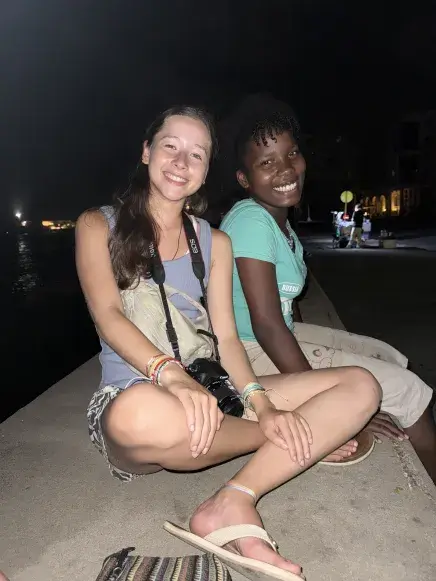
She cooked alongside Gilda, a 73-year-old woman who welcomed her into her home. Fourteen-year-old Lorena spent hours showing Cardona around Central Havana and even helped take photographs.
After interviewing a pair of gentlemen named Mario and Guillermo, Cardona returned simply to visit them at the community cafeteria where they received meals. A woman named Claudia gave her a tour of Old Havana on the back of her motorcycle. Each interaction gave Cardona a deeper understanding of daily life beyond what she could have learned through interviews alone.
The experience didn't come without challenges.
During her first few days, Cardona admitted she was somewhat frightened by the unfamiliar surroundings and often returned to the house where she was staying without venturing back outside. But as she got to know the people around her, that fear gradually faded.
"The first few days I definitely came back to the house and sort of locked myself in because I was so scared," Cardona said. "But then I started meeting more people. I was like, 'Okay. I feel better now.'"
Those relationships ultimately reshaped her understanding of journalism.
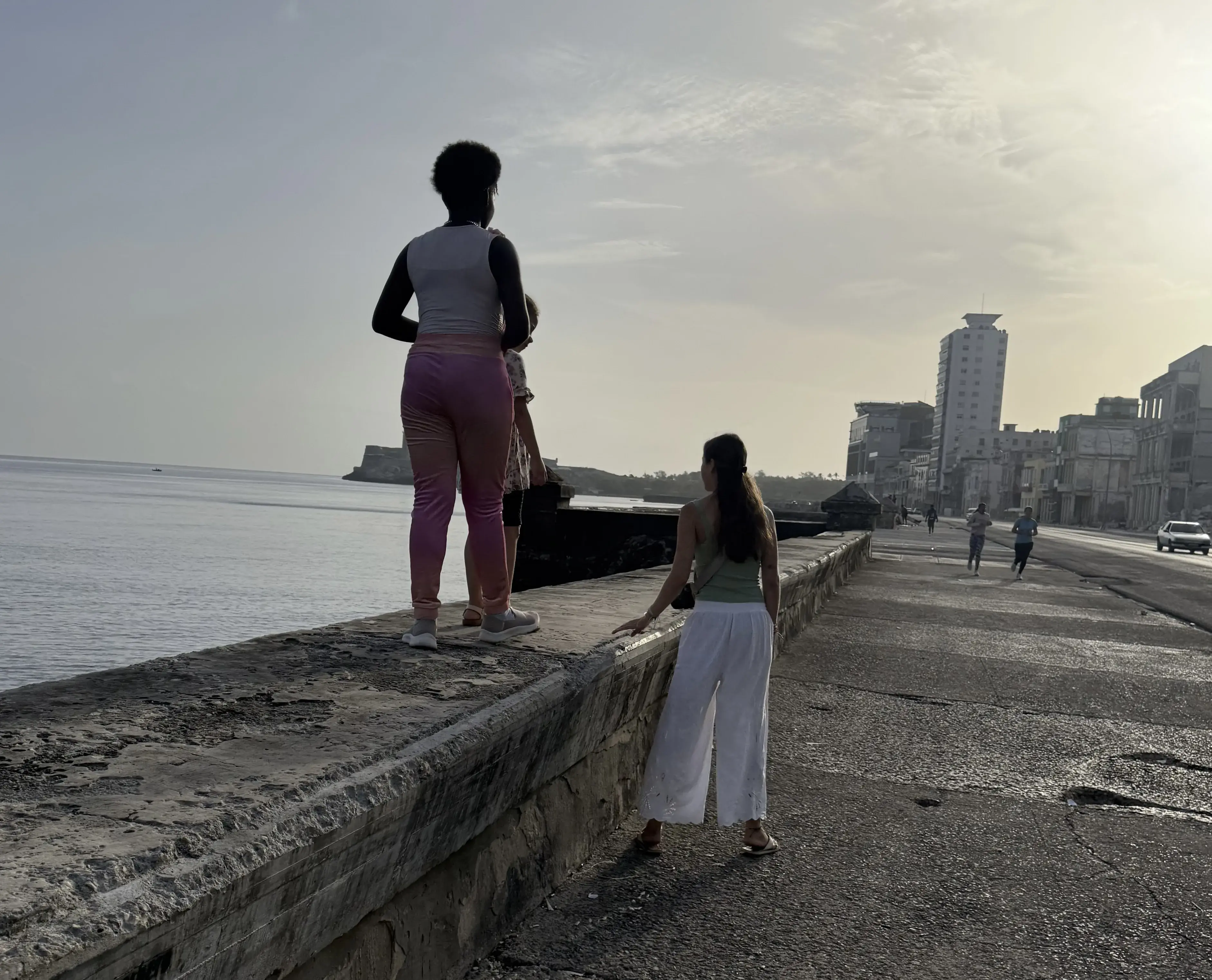
"I think it reminded me to always treat people as human beings and not just as a story," Cardona said. "That's why it was so valuable to spend a lot of time with people. I'm not just here to do interviews. I'm here to actually learn how they live. Everything they struggle with. But not just that."
A Crisis Beyond the Headlines
Before traveling to Cuba, Cardona understood the country was facing significant challenges. Experiencing those realities firsthand, however, was something entirely different.
"The situation was bad, but when you see it in person, it's a lot worse than people make it out to seem," Cardona said.
One of the moments that stayed with her most came while reporting on Cuba's banking system.
Many older adults rely on monthly government pensions to survive but receiving that money isn't always simple. Banks frequently run out of cash, leaving long lines of elderly Cubans waiting for hours with no guarantee they'll be able to withdraw their pensions.
"Sometimes people sleep outside overnight so they can be first in line," Cardona said.
Cubans who are able to collect their monthly pension typically receive around 4,000 pesos, an amount that often isn't enough to cover basic necessities. A single carton of eggs, for example, can cost around 3,000 pesos.
The longer she spent reporting, the more she realized those kinds of challenges weren't exceptions. They were part of daily life.
She documented neighborhoods affected by frequent blackouts, older adults waiting months for medical procedures, deteriorating sidewalks that made simply walking dangerous, and a transportation system that often left elderly residents stranded. As younger generations continue to leave the country in search of opportunity elsewhere, many older adults are left to navigate those hardships on their own.
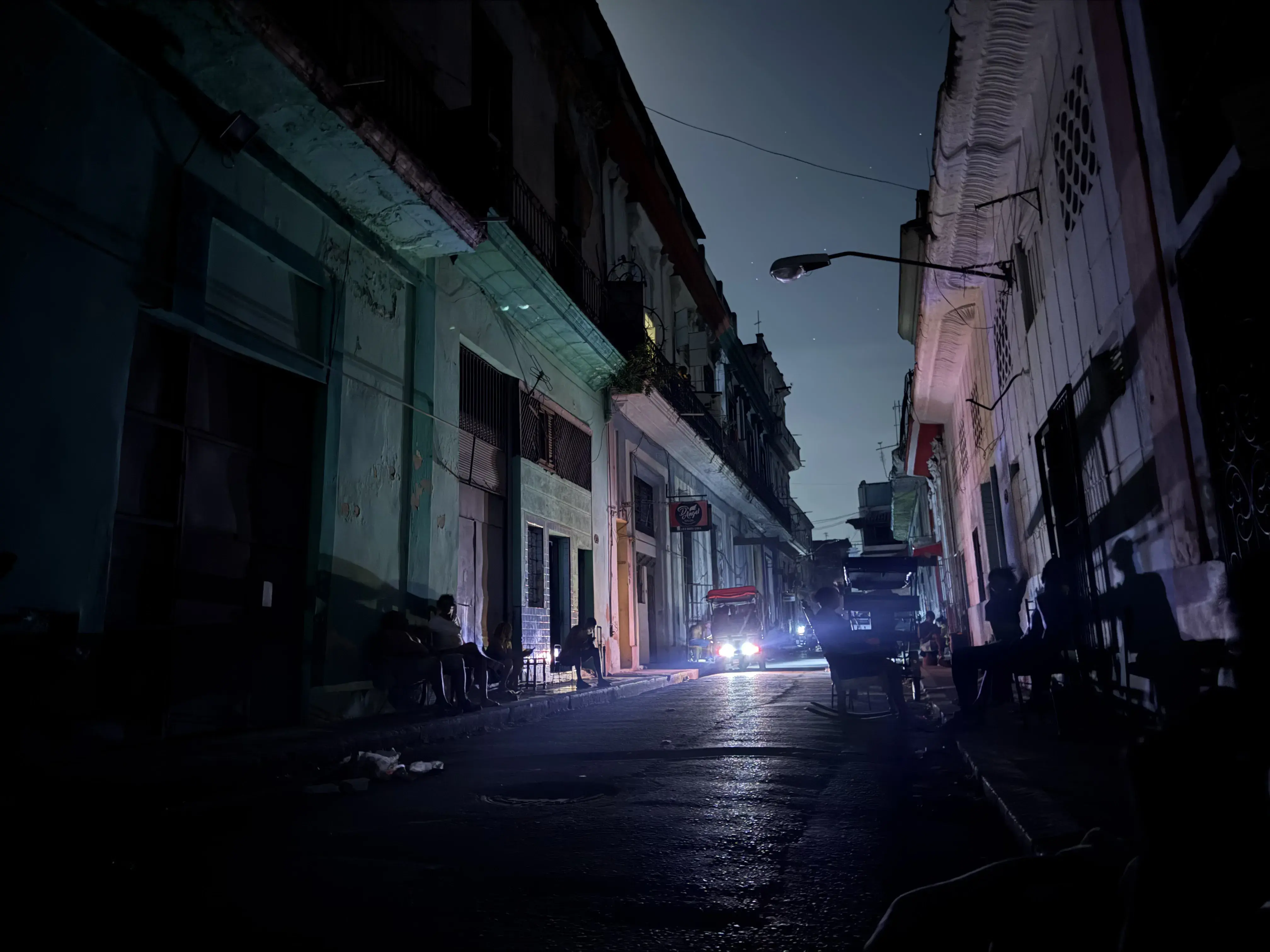
"A lot of older Cubans are just left by themselves," Cardona said.
For Cardona, those experiences shifted the focus of her reporting. The story was never just about shortages or statistics. It was about the people living through them every day.
Lessons Beyond the Classroom
Her experience in Cuba also reinforced lessons Cardona first learned at Flagler College.
She credits the “Global Issues and the Pulitzer Center” course with giving her the confidence to pursue an ambitious reporting project, even when she wasn't sure it would succeed. Working alongside Professor Thompson and her classmates helped her refine her proposal and trust her instincts.
"I thought, 'This might not work,'" Cardona said. "For a second I thought maybe I should do something in Brazil instead. I was looking into environmental conservation there. I thought maybe that would be the safer route. But then I was like, 'No. I'm going to try this. Whatever happens, happens. Go big or go home.'"
Beyond the fellowship, Cardona said her journalism courses at Flagler prepared her for the realities of reporting abroad.
She credited multiple Flagler professors with teaching her the importance of thorough research and thoughtful interview preparation, while media law and ethics courses reinforced the responsibility that comes with telling someone else's story.
"I learned so much about journalism here at Flagler," Cardona said. "And I took all of that with me to Cuba."
Those lessons became especially important during difficult interviews.
Sometimes, Cardona said, she struggled with asking people to relive painful experiences, knowing the conversations often shifted from joyful memories to the realities of their daily lives. Rather than beginning with the hardest questions, she focused first on getting to know the people she was interviewing and building trust before asking them to share their struggles.
"I tried to do it responsibly," Cardona said. "I tried to ease into those questions. Not just immediately ask, 'Tell me about your struggles.'
More Than a Political Story
Although her reporting focused on Cuba's elderly population, Cardona hopes readers come away thinking about something much broader than politics or international relations.
"I hope people realize this is more than just some political issue," Cardona said. "More than just a pawn in a geopolitical conflict. Obviously, we're seeing the U.S. and Cuba go back and forth politically. But I don't think people take much time to think about the people actually living on the island who are going through these things."
For Cardona, that was always the purpose of the project. She wanted to give a voice to people whose stories often remain overshadowed by headlines, helping readers better understand the daily realities behind the statistics.
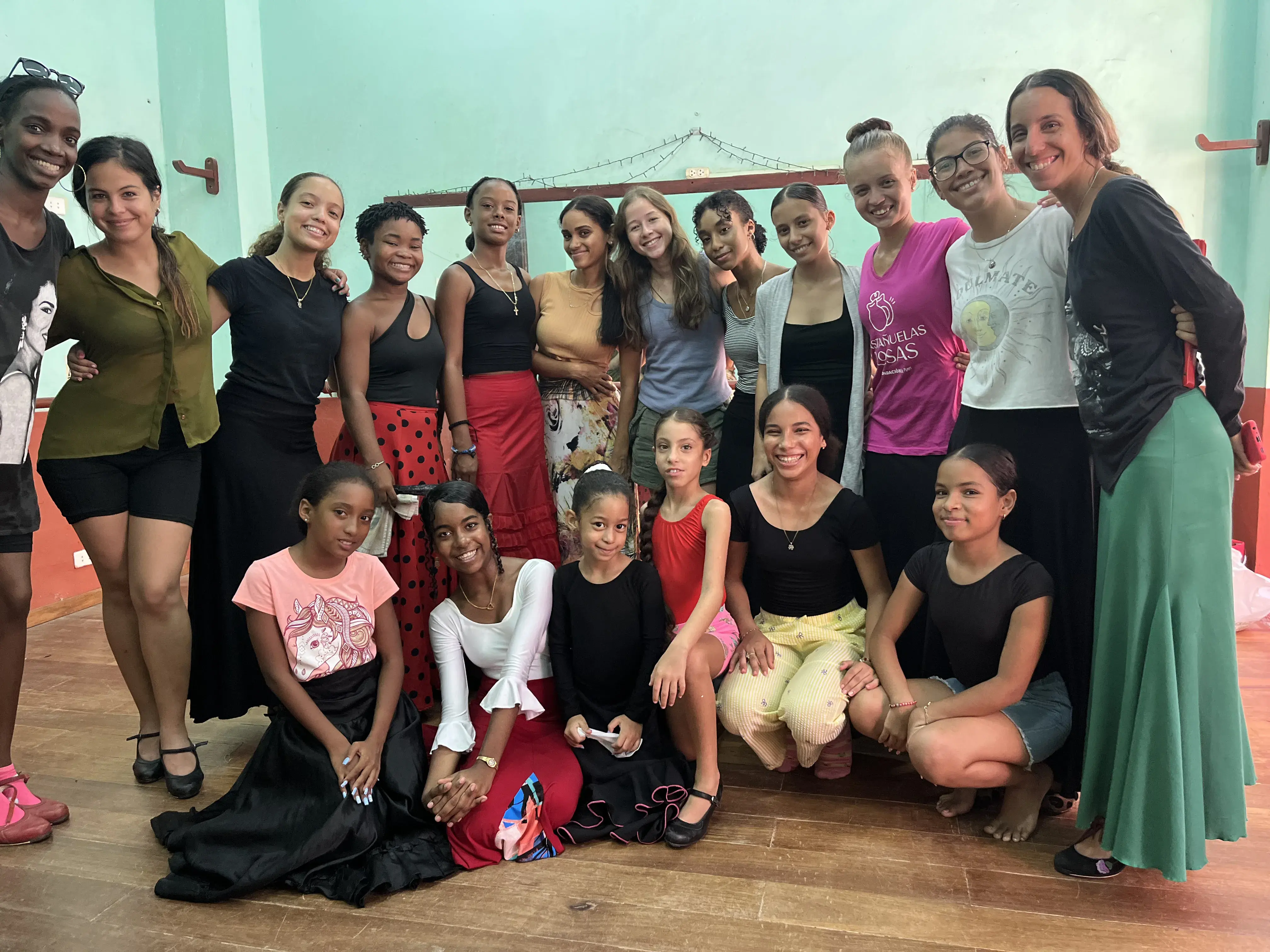
"I hope people take a moment and think about the people actually living there," Cardona said. "This isn't just a number on a graphic that says a certain number of people are living in poverty. What does that actually look like? I don't think people spend enough time thinking about that. Politics becomes a little dehumanized sometimes."
Cardona's reporting will culminate in a 1,200-word feature story, a photo essay, and a personal field note, all of which will be published by the Pulitzer Center. She also plans to pitch her work to additional news organizations in hopes of reaching an even wider audience.
"If it can create some sort of change, even for the people I interviewed," Cardona said. "If it can give them a little bit of hope... maybe that's enough."
The People She'll Never Forget
When asked what she will remember most years from now, Cardona didn't mention the fellowship, the reporting, or even the stories she wrote.
She thought instead about the people who welcomed her into their lives.
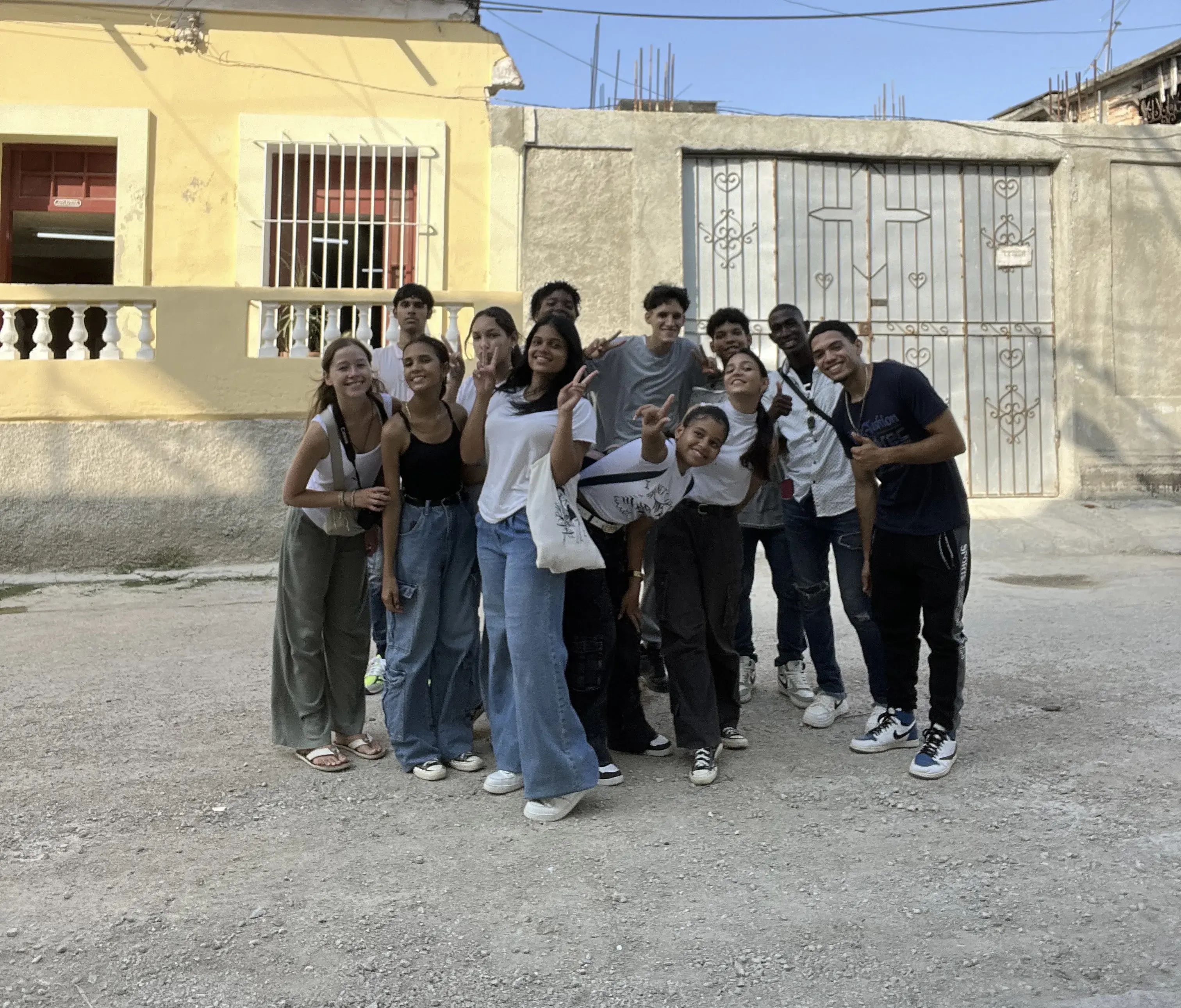
"I think about just everyone I met," Cardona said. "It was so beautiful to meet so many people. They invited me into their homes. We talked for hours. I'm like, 'This is great.' They don't know me. They don't have to do this. But I'm glad I was able to meet a lot of people who had genuine intentions and were very good to me."
Those relationships remain long after the reporting has ended. Cardona still keeps in touch with many of the people she met in Cuba and hopes one day to return, not only as a journalist, but as a friend.