

The international experience combined ancient history, cultural immersion, environmental exploration, and culinary traditions as students traveled from Athens to the island of Ikaria, one of the world's renowned "Blue Zones" where residents are known for exceptional longevity and healthy aging.
Participating students included Jennalis Baez, Ciara Cacciatore, Madalynn Comps, Riley Grace, Gracie Karoly, and Austin Simmons.
The following recap, written by Dr. Sandy Davis, highlights the group's experiences and adventures across Greece during their June study abroad program.
June 7: Arrival in Athens and a Taste of Greece
The journey began in Athens, one of the world's oldest cities and the birthplace of democracy, philosophy, and Western civilization.
After arriving in the Greek capital, students gathered for a welcome dinner featuring a variety of traditional dishes and regional specialties. The meal introduced the group to Greek culinary traditions through dishes including fava beans from Limnos Island, stuffed vine leaves, zucchini fritters, local cheeses, pork tigania, meatballs with tomato sauce, and mushrooms prepared with tomato and wine sauce.
The evening served as both an introduction to Greek culture and a preview of the culinary experiences that would become a central theme throughout the program.
June 8: Walking Through Ancient Athens
The group's first full day in Athens focused on exploring the city's ancient roots.
Students visited the Ancient Agora, once the political and social center of ancient Athens, where citizens gathered to discuss public affairs and shape the foundations of democracy. They explored the Temple of Hephaestus and the Stoa of Attalos before continuing through the historic neighborhoods of Plaka and Monastiraki.
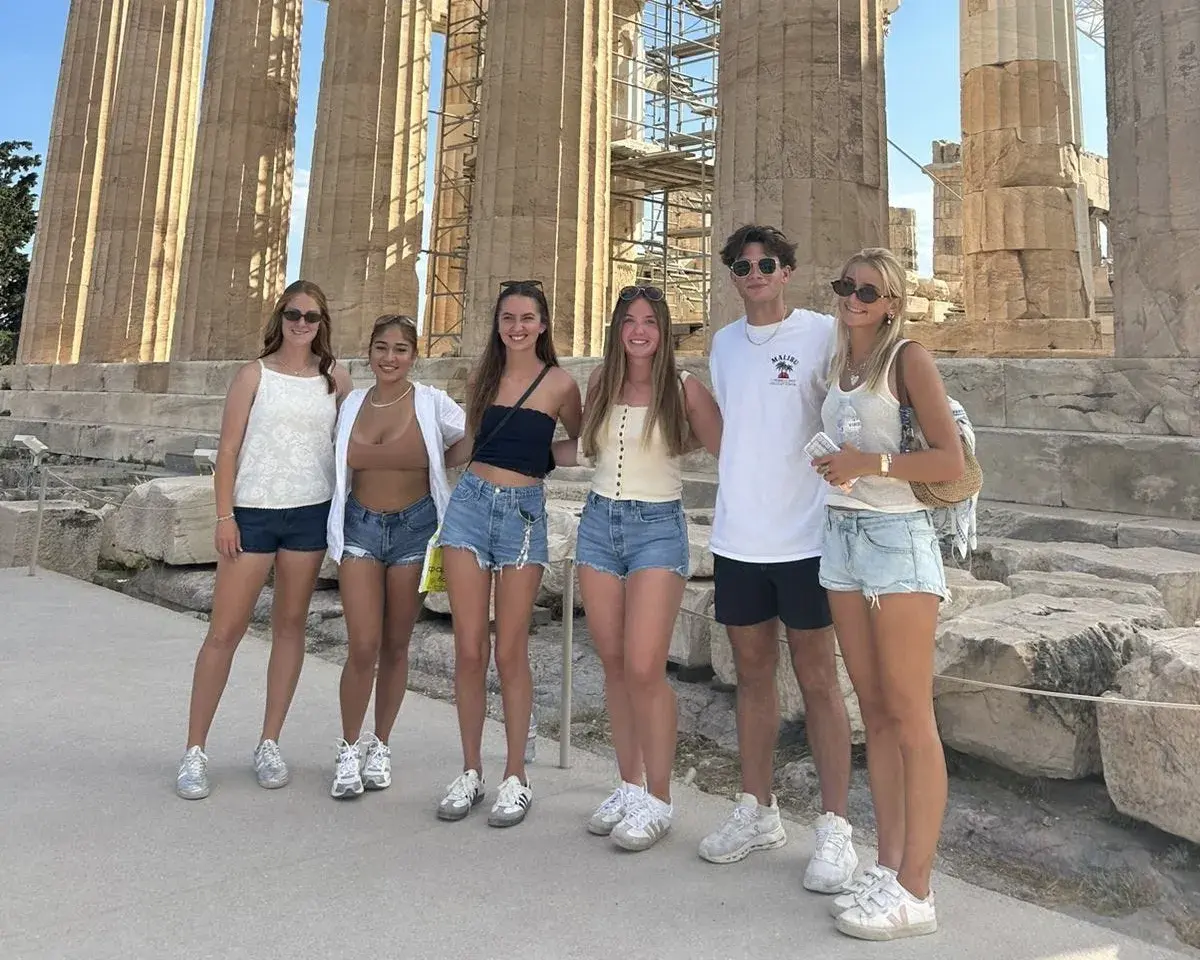
Along the way, students learned about ancient Greek democracy, philosophy, and daily life while experiencing firsthand the city that helped shape much of Western civilization.
June 9: The Acropolis, the Parthenon, and Olympic History
The day began at the Panathenaic Stadium, originally built in 330 B.C. and renovated for the first modern Olympic Games in 1896. The stadium remains the world's oldest stadium still in use and is the only stadium in the world built entirely of white marble.
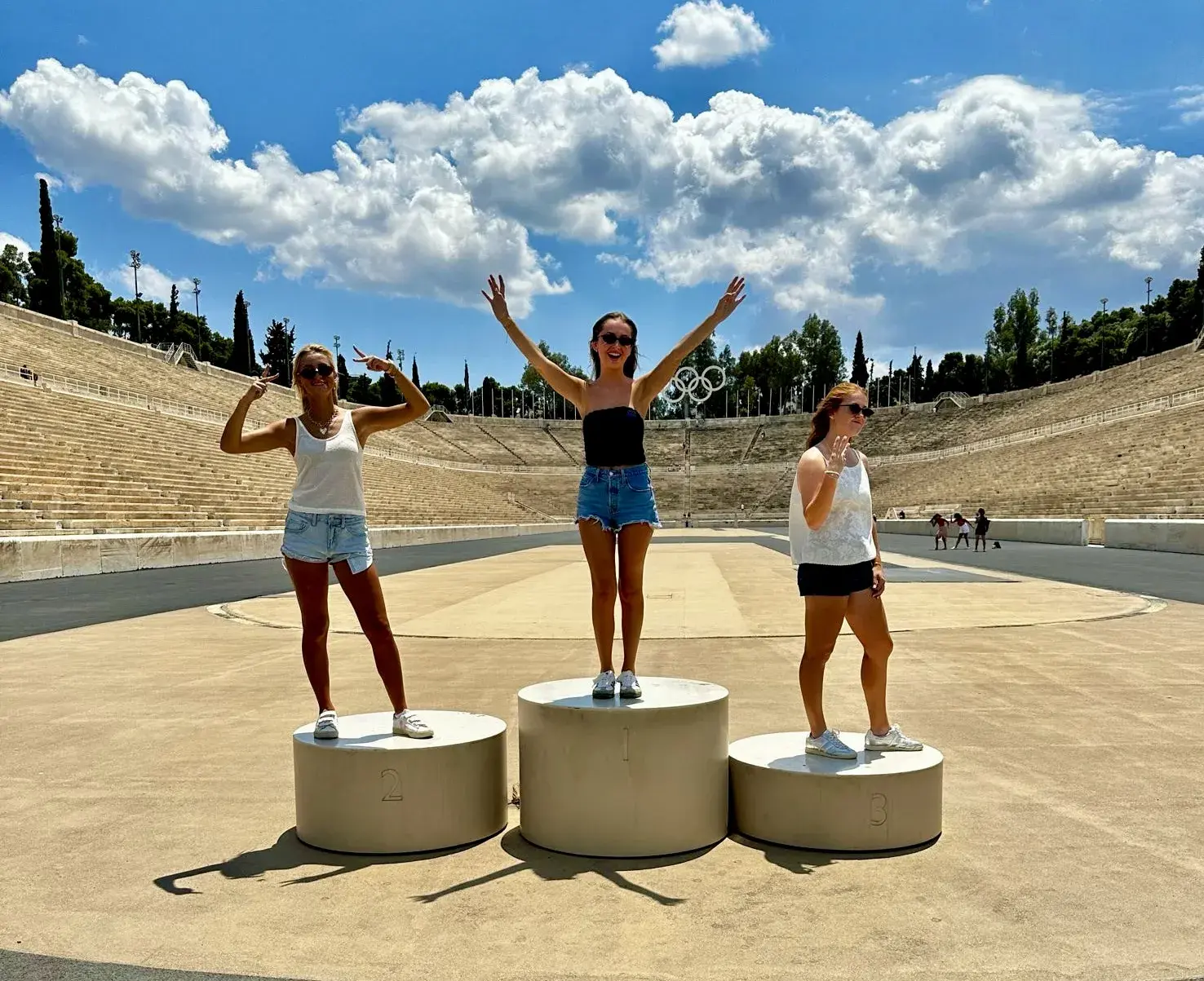
Students learned about its significance in Olympic history and its continued role as the site where the Olympic flame is ceremonially passed to future host nations.
The group then visited the Acropolis Museum, home to nearly 4,000 artifacts from Ancient Greece. Situated at the foot of the Acropolis, the museum provided students with a deeper understanding of the archaeological discoveries and cultural treasures connected to classical Athens.
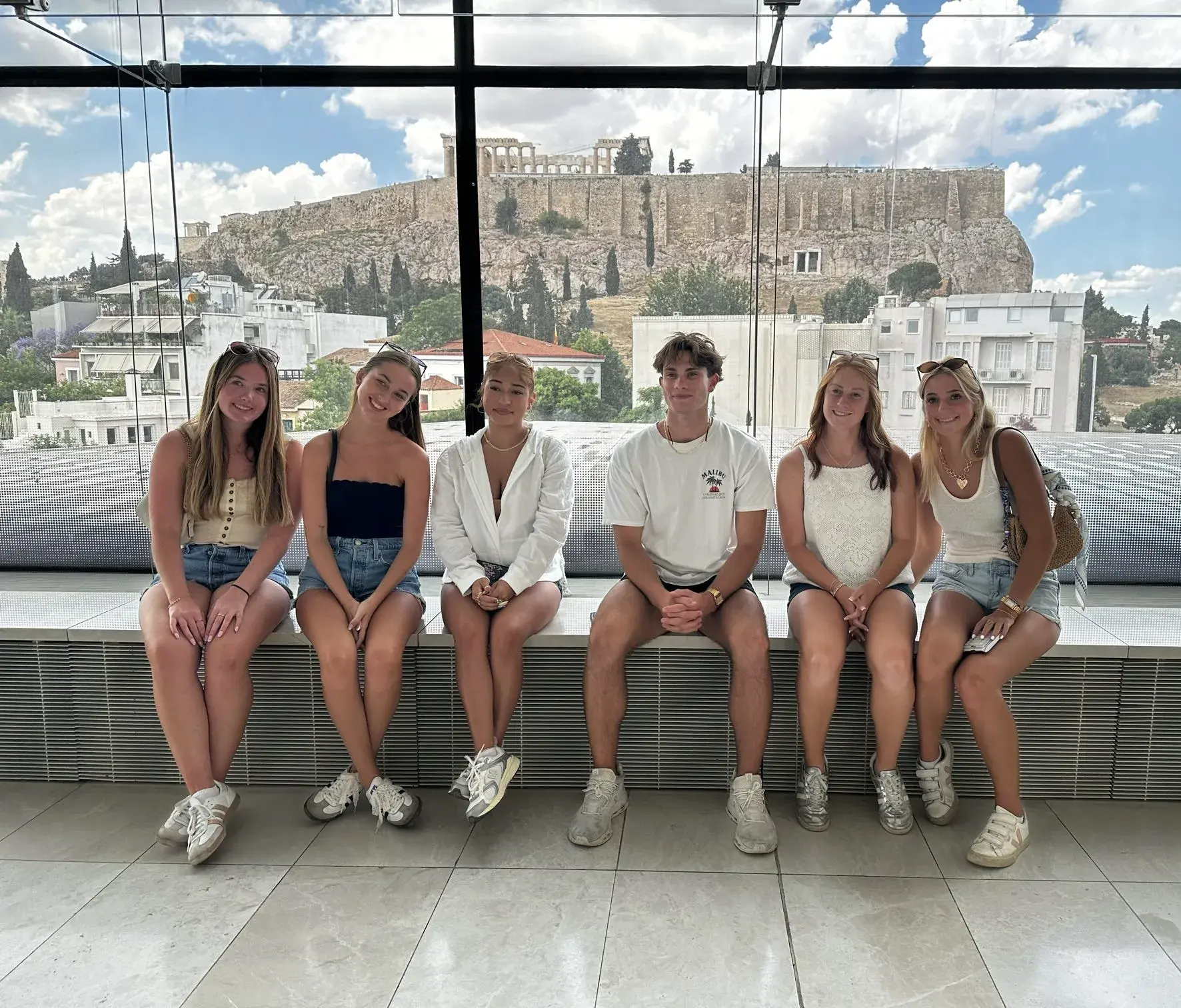
Later, students explored the Acropolis itself, Greece's most iconic archaeological site. Standing atop the hill overlooking Athens, they visited the Parthenon, dedicated to Athena, the goddess of wisdom and patron of the city. They also explored the Erechtheion, the Temple of Athena Nike, and the Propylaea Gateway while learning about the Acropolis' enduring role as a symbol of Ancient Greece, democracy, and Western civilization.
June 10: Arrival in Ikaria
On June 10, the group traveled to Ikaria, a rugged island in the Aegean Sea known around the world for the longevity of its residents.
Named after Icarus from Greek mythology, the island is considered one of the world's five Blue Zones, where people regularly live into their 90s and beyond while maintaining active and healthy lifestyles.
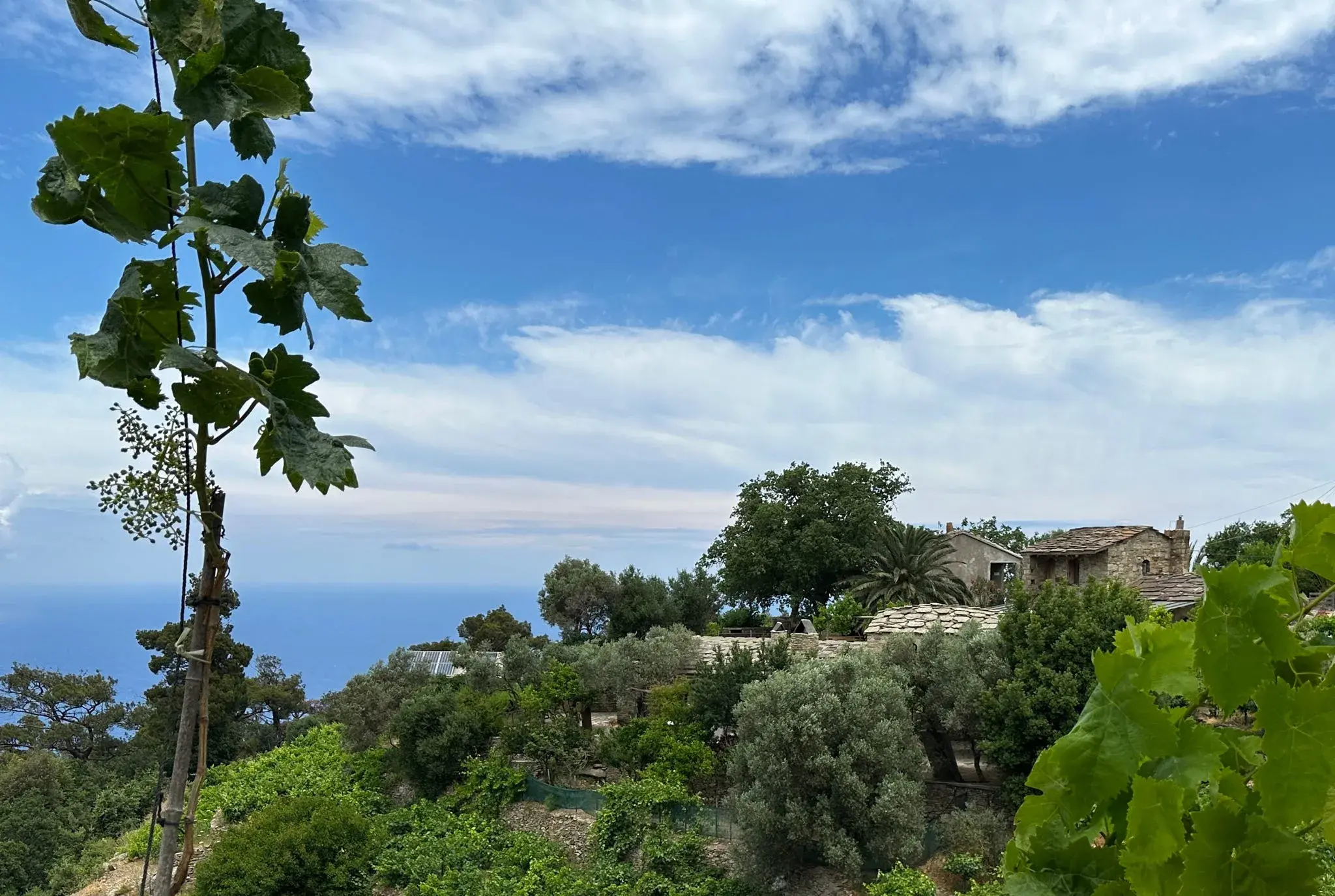
Students were introduced to the island's culture, traditions, and way of life, which emphasizes community, physical activity, locally sourced food, and a slower pace of living.
June 11: Surfing, Beekeeping, and Winemaking Traditions
The group's first full day in Ikaria highlighted the island's close connection to nature and traditional agricultural practices.
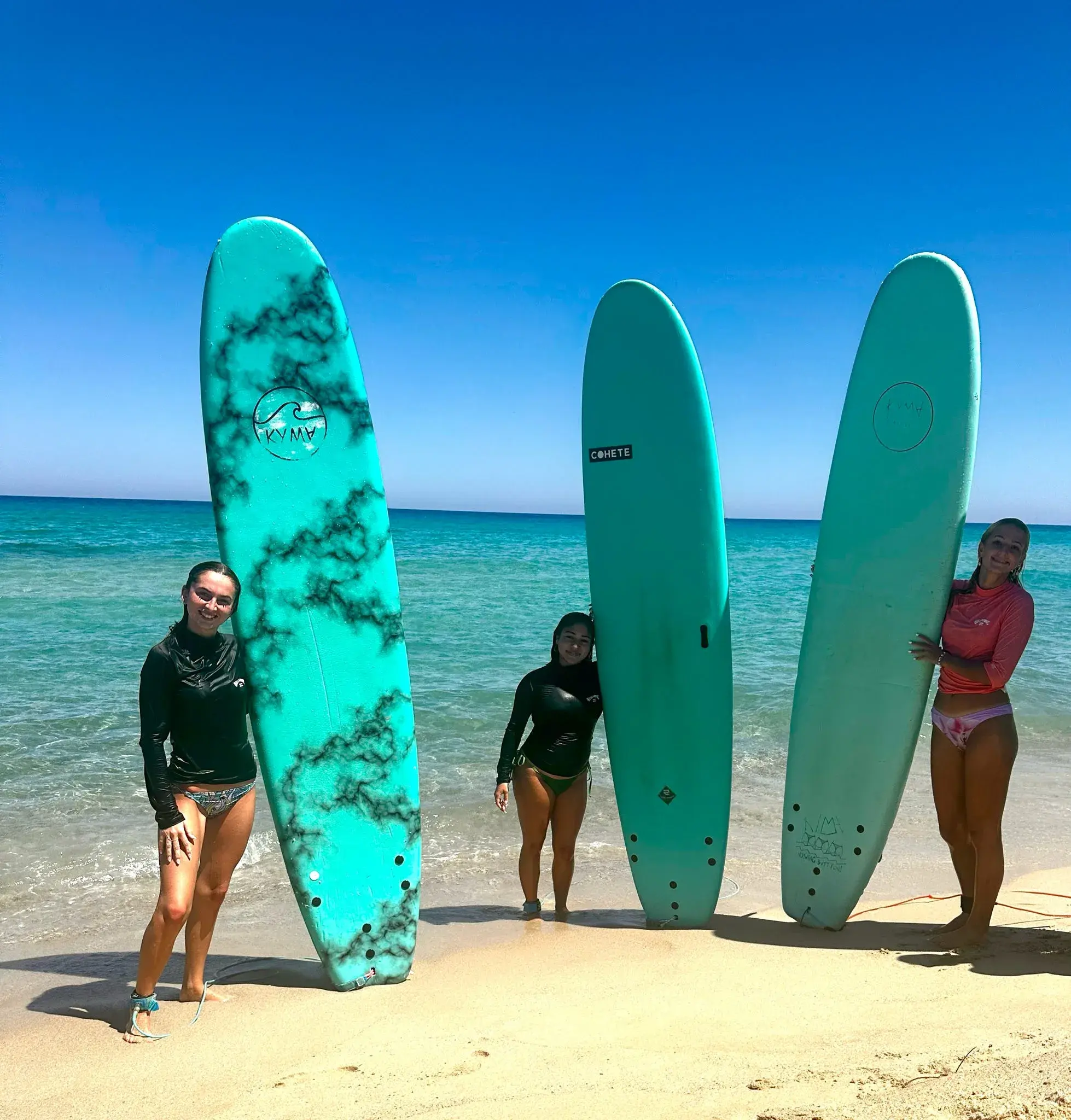
Students participated in a surfing lesson that provided an introduction to local coastal culture and life along the Aegean Sea.
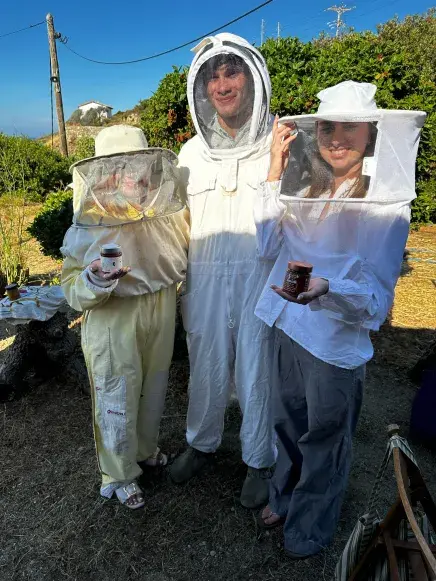
Later, they attended a beekeeping seminar and honey tasting led by local beekeeper Melissavet. Through the experience, students learned about traditional beekeeping practices, the importance of bees in pollination, and the role honey production plays in local agriculture. They also sampled honey produced on the island while gaining a deeper appreciation for the environmental stewardship that supports the Ikarian way of life.
The day concluded at Afianes Winery, a family-owned vineyard founded by Nikos and Maria Afianes. Students toured the estate, learned about traditional winemaking methods passed down through generations, participated in a guided wine tasting, and enjoyed a meal while exploring the property's historic wine presses, amphitheater, and folklore exhibits.
June 12: Exploring Ikaria's Ancient Forests and Mountain Villages
The morning of June 12 began with a hike through Randi Forest, one of the oldest remaining forests in the Eastern Mediterranean. Many of the forest's trees are more than 300 years old, and the area is home to rare protected oak species that date back millions of years.
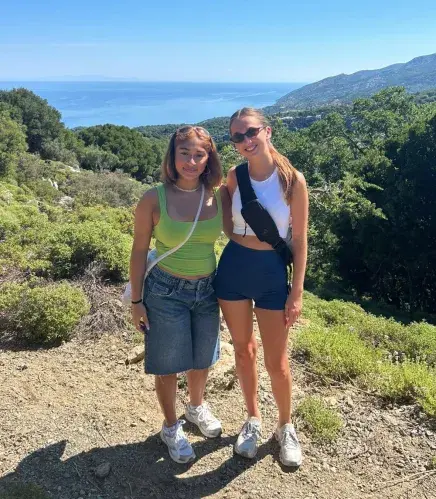
As they walked through the forest, students learned about Ikaria's unique ecosystem and the importance of preserving its biodiversity.
Later, the group visited Christos Raches, one of the island's best-preserved mountain villages. The visit provided a glimpse into traditional architecture, village life, and local customs that have remained largely unchanged for generations.
June 13: Wellness, Cooking, and Community Celebration
The final full day in Ikaria focused on several of the lifestyle practices often associated with the island's remarkable longevity.
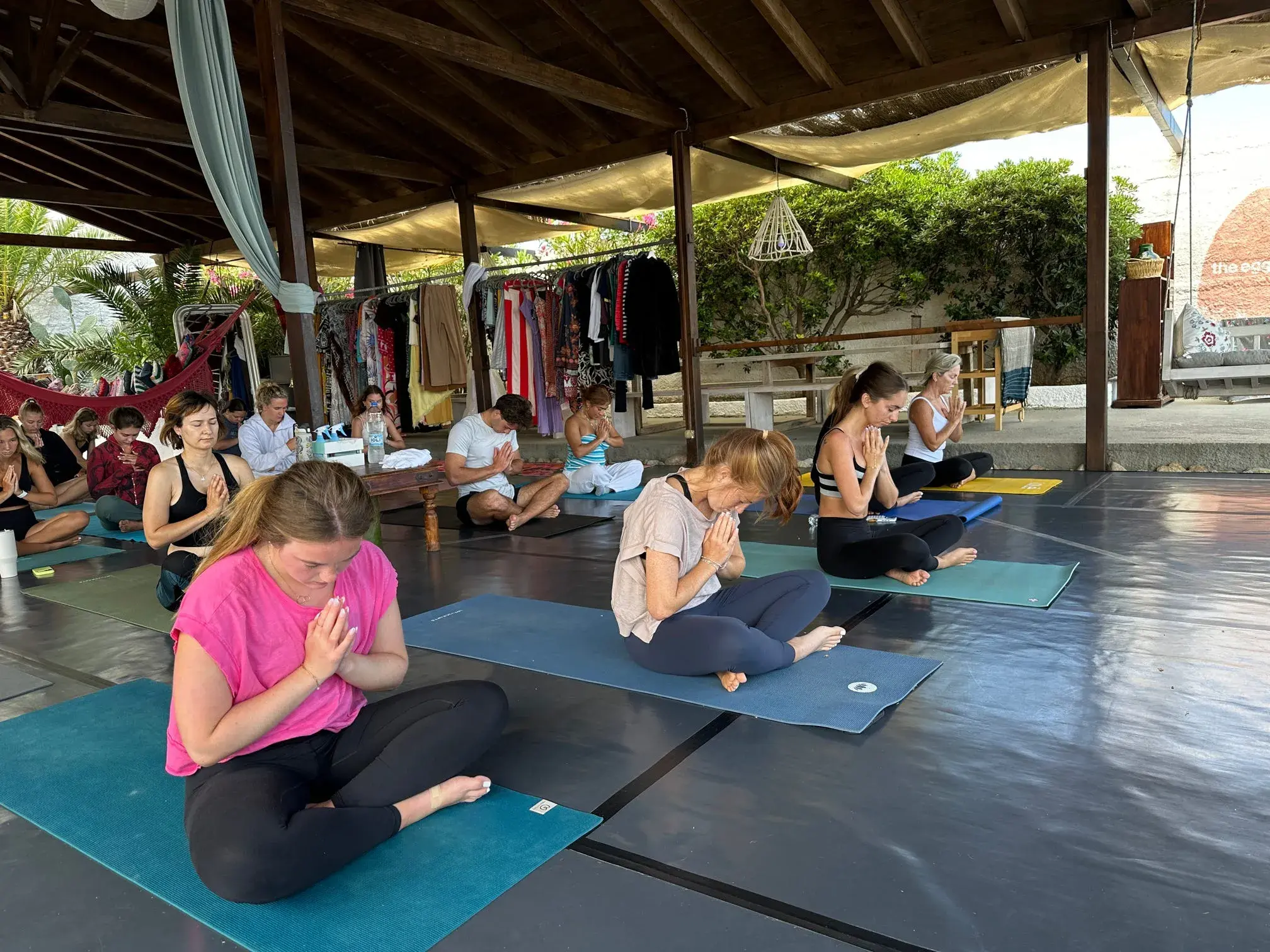
Students began with a yoga session centered on wellness and mindful living before learning traditional Ikarian dances, an important expression of local culture and community connection.
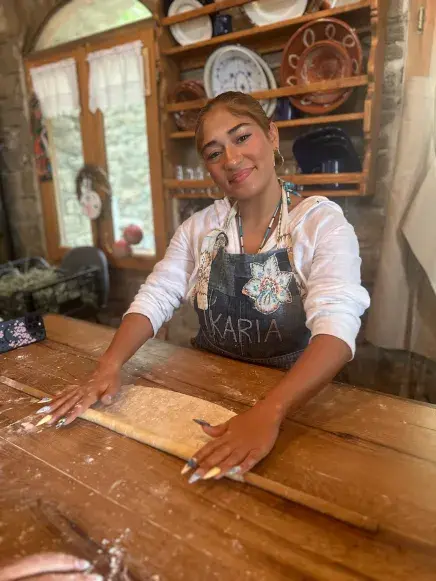
Later, the group participated in a hands-on cooking class hosted by the Karimalis family in Gialiskari. Working with fresh local ingredients, students prepared traditional dishes including pittarakia with homemade phyllo, soufiko vegetable stew, fava spread, and Greek salad.
Throughout the experience, they learned how food, hospitality, family traditions, and community gatherings contribute to the healthy lifestyle for which Ikaria is known.
That evening, students attended a traditional Ikarian panigyri, or village festival. These celebrations bring communities together through live music, dancing, local food, and wine, often continuing late into the night.
By joining residents at communal tables and participating in the festivities, students experienced one of the island's most important social traditions and gained a firsthand understanding of the strong community bonds that define Ikarian culture.
June 14-15: Return to Athens and Reflection
The group returned to Athens for a final day before departing for home.
As the program concluded, students reflected on a study abroad experience that combined ancient history, archaeology, environmental stewardship, traditional agriculture, wellness, food culture, and cultural immersion.
From standing among the ruins of the Acropolis to sharing meals with local families in Ikaria, the experience offered students an opportunity to connect classroom learning with real-world exploration while gaining insight into one of the world's most fascinating cultures and healthiest communities.