
Major
Minor
Coastal Environmental Science

Coastal Environmental Science
One morning you’re mapping tidal zones; that afternoon, you’re kayaking through estuaries to study how fresh and saltwater shape coastal life. The next day, you’re back in the lab analyzing what you found. If you pursue the Coastal Environmental Science program, you'll get a chance to research and learn about ecosystem interactions and environmental health.
This program will offer you the perfect blend of research in the lab while also allowing you to get involved out in the field. In a location like St. Augustine, you're only a few steps away from being at the ocean or the beachfront. You'll work closely with full-time faculty who are experts in their field.
Research That Makes a Difference
Research That Makes a Difference
If you join the Coastal Environmental Science program, you'll be right by the historic coast giving you an up-close and personal experience with field research. You’ll join research teams restoring oyster reefs, improving water quality, and studying the effects of changing climates on local ecosystems. Professors become mentors, experts who dive in beside you, teaching you how to ask the right questions and pursue answers that matter. You'll also work in a community of like-minded students who are just as driven and passionate about working on solutions and building foundational knowledge.
You’ll present your findings at campus symposia, partner with local organizations, and share your research at regional and national conferences. The confidence you build here prepares you for graduate school, fieldwork around the world, and a career that helps shape the future of our planet.
Major Coursework Minor Coursework Four-Year Career Plan
“My Flagler College experience was amazing, insightful, and filled with gratitude. My passion is and always has been learning about and protecting the ocean. When I chose to come to Flagler, I was thrilled to find out that a coastal environmental science major was being offered. I started learning about everything there is to know about our oceans and how science can be used to protect them.” – Francisco Ramirez ‘25
High-Impact Experiences
High-Impact Experiences
From your first semester, you’ll step into the role of a scientist, testing water samples, collecting field data, and studying how coastlines change over time. You’ll design and contribute to real research projects that address pressing issues like water quality, ecosystem resilience, and wildlife conservation, giving you the kind of lab and field experience most students don’t see until graduate school.
Classes often start with boots in the sand or kayak paddles in the water. You might chart erosion patterns along the beach, monitor seagrass beds in Matanzas Bay, or record wildlife behavior at dawn. Every trip connects your coursework to the natural world and teaches you how to apply scientific methods to living, shifting environments.
You’ll work directly with environmental partners, from local conservation nonprofits to state and county resource managers. Whether you’re helping restore oyster reefs, supporting sustainability initiatives, or analyzing pollution sources in the San Sebastian River, you’ll see how your data can drive real decisions and positive change in your own community.
Your classroom expands far beyond St. Augustine. In Bermuda, you might dive among coral reefs while studying marine biodiversity; in Belize, you could help protect sea turtles or examine mangrove ecosystems. These global experiences reveal how coastal systems connect and how your work at home contributes to the broader picture of ocean conservation.
You’ll find your people fast... through Dive Club, Green Beans, or by joining a beach cleanup on a Saturday morning. You’ll share discoveries, celebrate breakthroughs, and see the coast through fresh eyes every day. The community you build here will shape your future as much as your coursework.
Your Path Forward
Your Path Forward
Being a part of this program gives you the knowledge and confidence to lead change. You’ll be ready for careers in wildlife conservation, coastal restoration, environmental policy, and marine research, or to continue your studies in graduate programs across the country.
Where You Could Go:
-
Coastal and Marine Research Organizations
-
Environmental Consulting Firms
-
Aquariums and Marine Education Centers
-
State and Local Environmental Agencies
One graduate now manages coastal restoration projects for St. Johns County. Another is researching seagrass health and water quality as part of a Ph.D. program at the University of Florida. Their work began right where yours will... along this coast.
“I spent my summers growing up on the beach in Ocean City, N.J., where my interest in protecting coastal environments began. My passion grew during my first year at Flagler, as I became surrounded by students and faculty with the same interests. Collaborating and sharing ideas with a community of people who share my interests has been incredibly inspirational.” – Carly Shaw ‘24
Coastal Environmental Science News
Coastal Environmental Science News
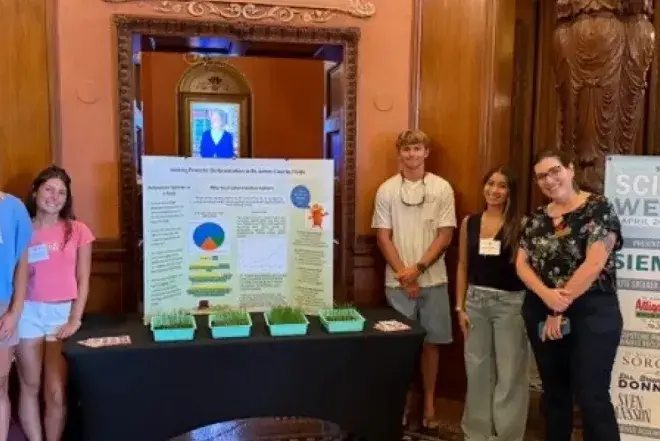
Flagler College welcomed students, faculty, staff, and community members for a week of discovery, collaboration, and hands-on learning during its annual Science Week, held April 26–29.
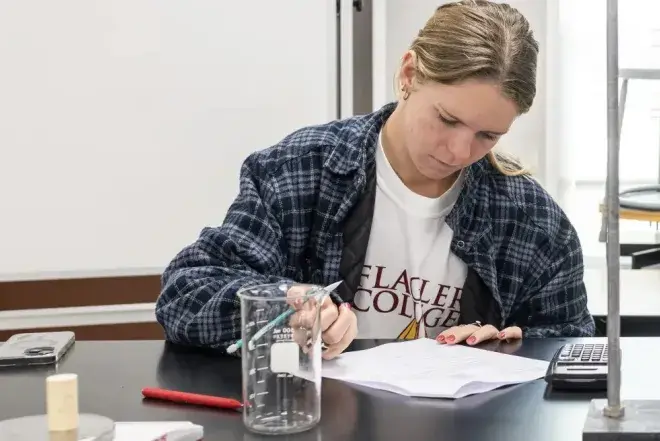
For Zoie Marchant, a senior double majoring in biology and coastal environmental science, a childhood curiosity about the ocean has grown into a clear path toward a career in veterinary medicine.
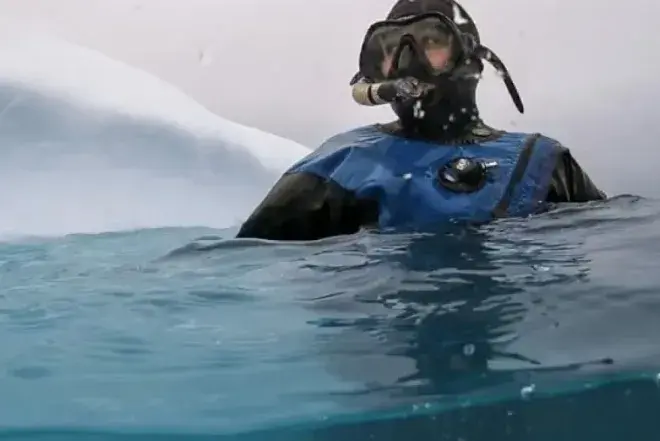
The Arctic Circle is an unlikely setting for the typical Flagler College story. For alumna Claire Mortensen ’19, it became the place where her education translated into hands-on research contributing to global climate science and policy.
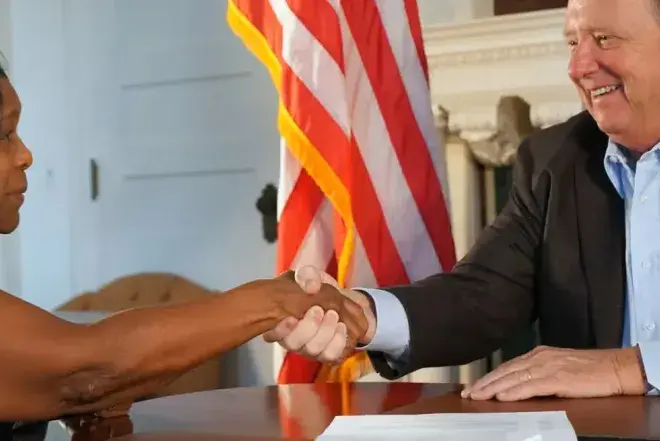
A 2014 Coastal Environmental Science trip to Bermuda was the catalyst for a young working relationship between Flagler College and Bermuda College that was made official through the signing of an articulation agreement last month.
Podcast: Breaking Eggs - Natural Sciences Department with Dr. Serron
Career Outcomes
Career Outcomes
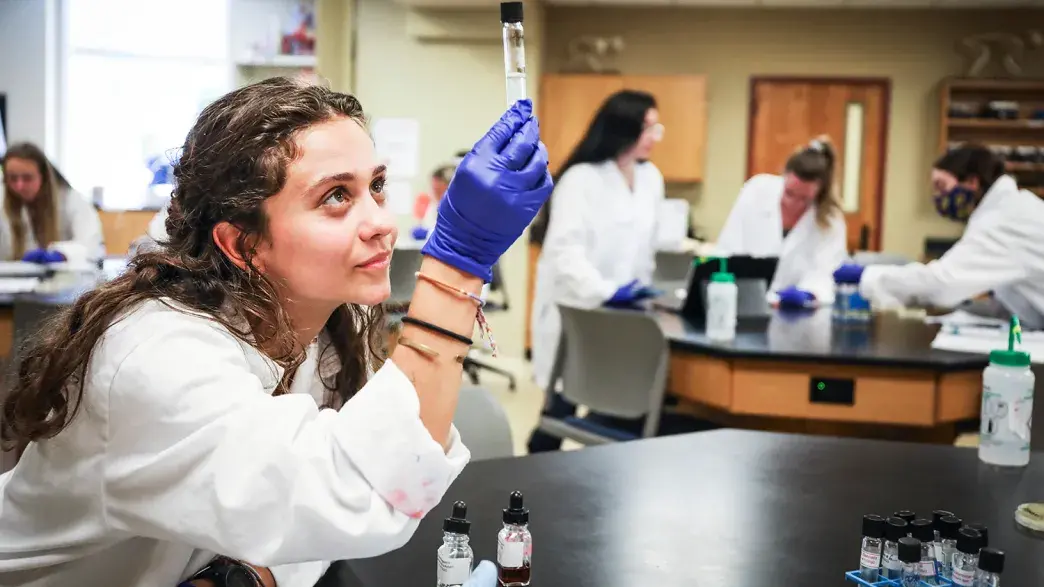
While you're completing your coursework, you'll already be building on field experience and interactive research. Whether drawn to research, tourism, environmental policy, or resource management, our program prepares you with the skills and experience to make an impact. Students have pursued careers and post-graduate degrees in fields like Marine Science, Biology, and even Law.
What Can I Do With a Major in Coastal Environmental Science?
Study Abroad
Study Abroad
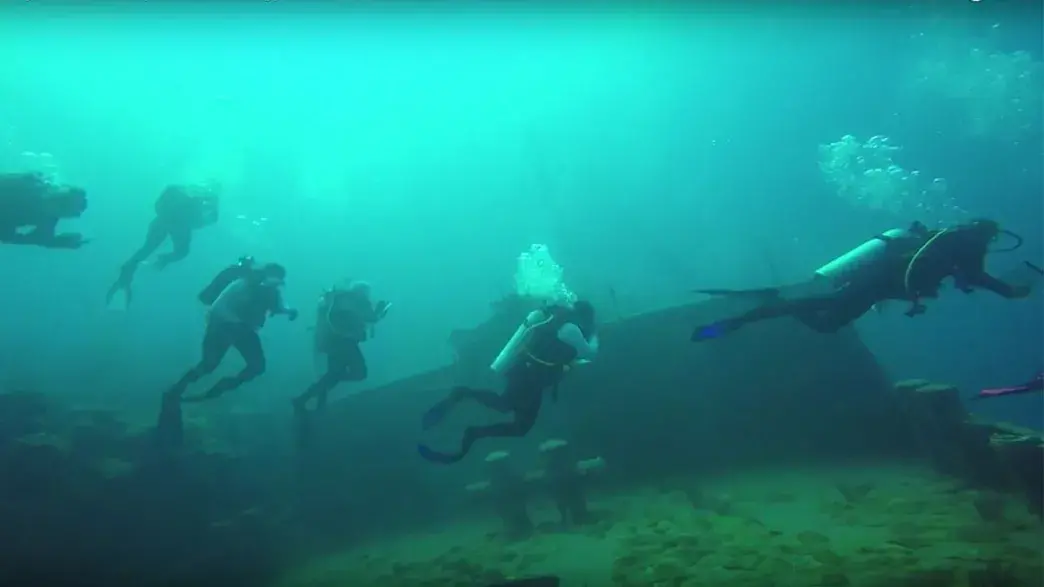
Experience coastal ecosystems around the world. Through Flagler’s study abroad program, you’ll go beyond the local environment and explore unique coastal areas globally. From diving into shipwrecks in Bermuda to protecting sea turtles in Belize, you’ll gain a world of experience—and unforgettable memories.
Meet our Faculty
Meet our Faculty
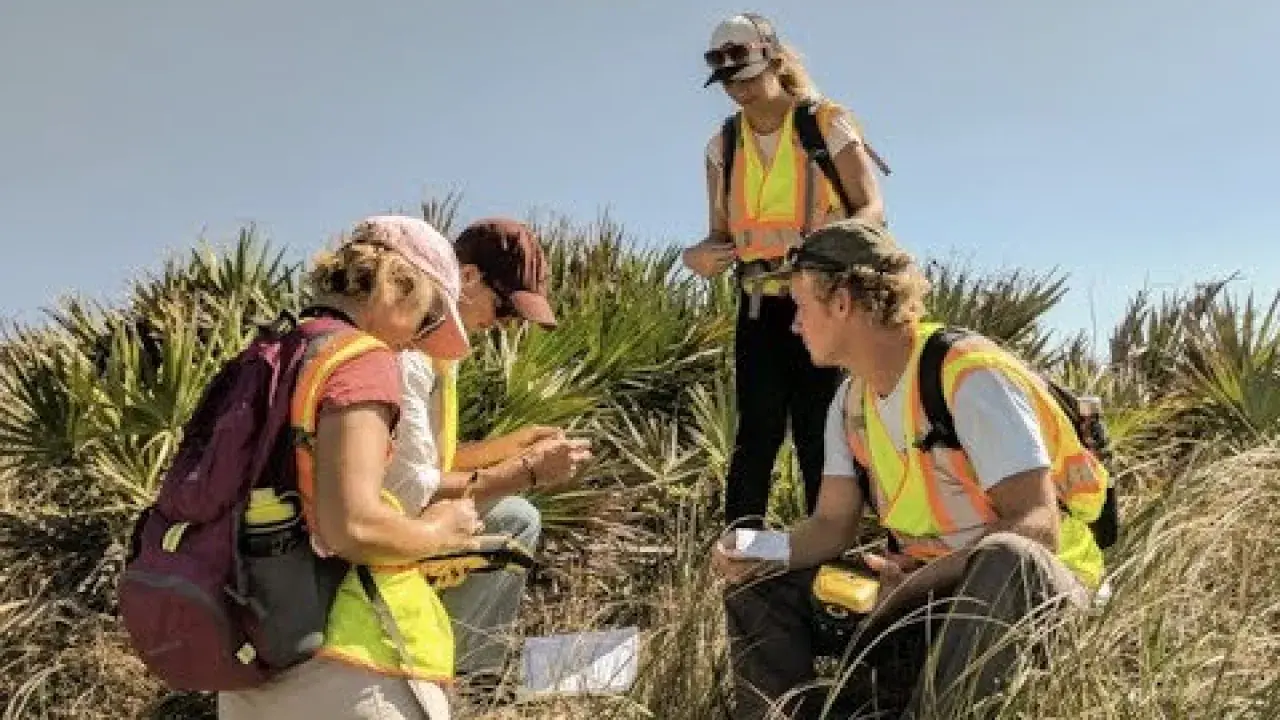
Your professors are coastal scientists, ecologists, and environmental advocates who believe in learning by doing.
You’ll get one-on-one support with small class sizes and a quality education in a tightly-knit community.

A Campus that Inspires. An Education that Transforms.
Receive a personalized education and close connections with faculty by participating in internships, real-world research, and hands-on programs like FlagSHIP. Get the most value and lifelong connections for your money. Join like-minded students and on-campus organizations while being centered in a landmark location like none other.
Learn more by visiting our Tuition and Fees page and by viewing our Financial Aid team and scholarship options to the right.