

But leadership isn’t measured only in stats; it’s reflected in how they motivate teammates, make split-second decisions, and balance the pressures of sports and school.
From the soccer pitch to the lacrosse field, these Flagler College student athletes do more than put points on the board. With every match, practice, and challenge, they are sharpening the leadership, resilience, and discipline that will guide them long after graduation.
Ella Pinder | Women’s Lacrosse | Senior Midfielder/Defender
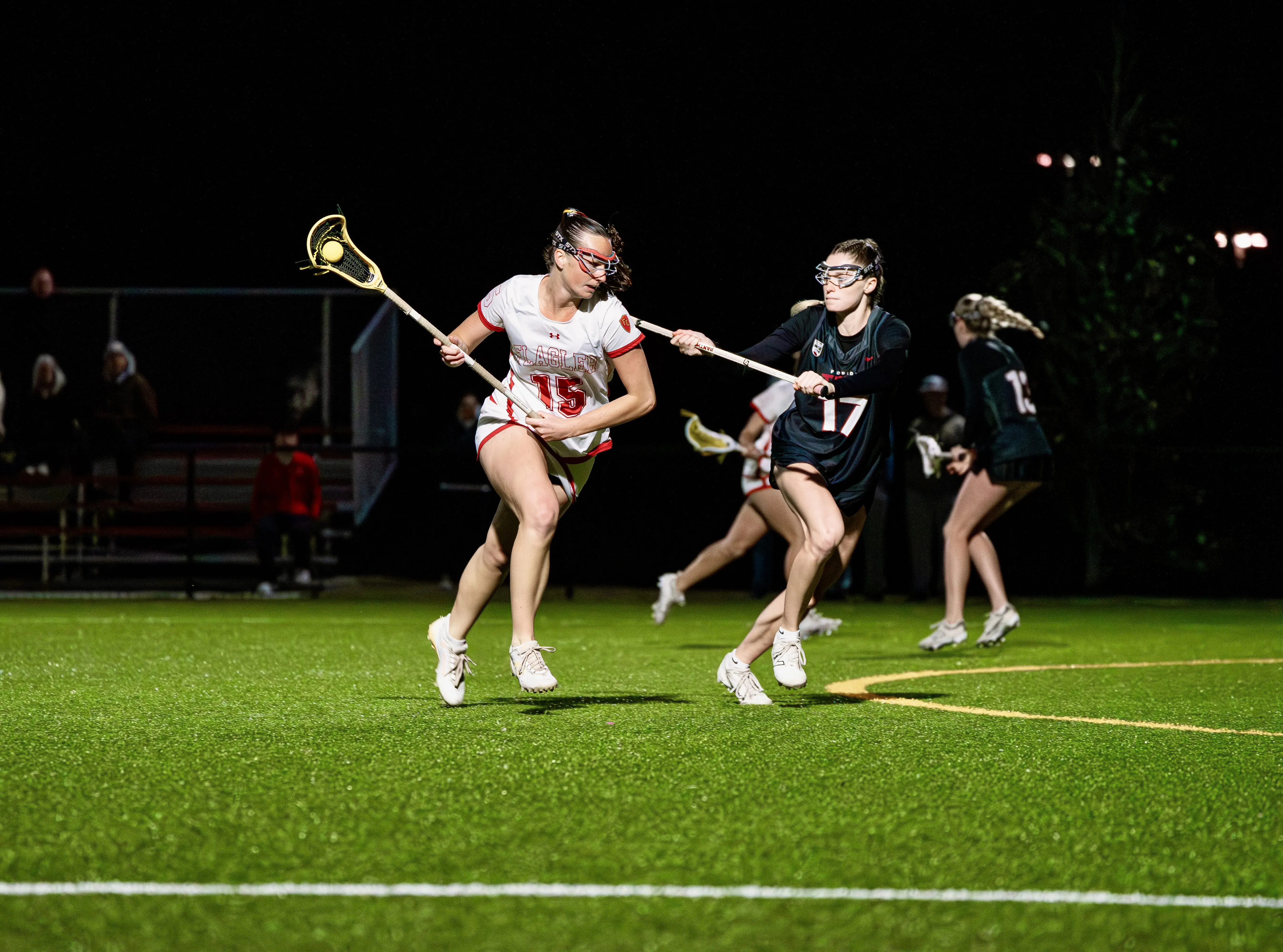
Fast, strategic, and demanding, lacrosse is a game in which split-second decisions and teamwork can be the difference between victory and defeat. Known as the oldest team sport in North America, lacrosse was invented by various Native American nations, with roots dating back as early as the 1100s.
The game requires not only speed and skill but also leadership that keeps a team focused and unified. On the Flagler women’s lacrosse team, captain Ella Pinder exemplifies the kind of guidance that drives both performance and personal growth.
“I am extremely honored to be the captain of this great group of girls. They make the job worthwhile and seeing everyone grow on and off the field makes me proud,” Pinder said.
Pinder’s leadership style shifts seamlessly to meet every moment. On the field, she guides her teammates through high-pressure situations with calm confidence. Off the field, she remains approachable, building trust and connection across the team. In a sport where the action moves quickly and the margin for error is small, that balance is essential.
“In high-pressure games, I just reassure them. I am confident that their reps, preparation, and individual ability will allow us to face any competition as a cohesive unit,” Pinder explained.
“I stay calm and collected, and I have seen that when I maintain belief in our preparation, the other girls can too.”
For Pinder, lacrosse has taught her lessons that extend far beyond the field. The work ethic, emotional control, and commitment required to succeed in a fast-paced, demanding sport are skills that carry into everyday life, whether in school, at work, or in personal challenges.
Her experiences as a captain show that leadership in sports is not just about directing plays; it’s about guiding people, fostering resilience, and helping a team reach its potential.
Gustav Moberg | Men’s Soccer | Redshirt Junior Midfielder
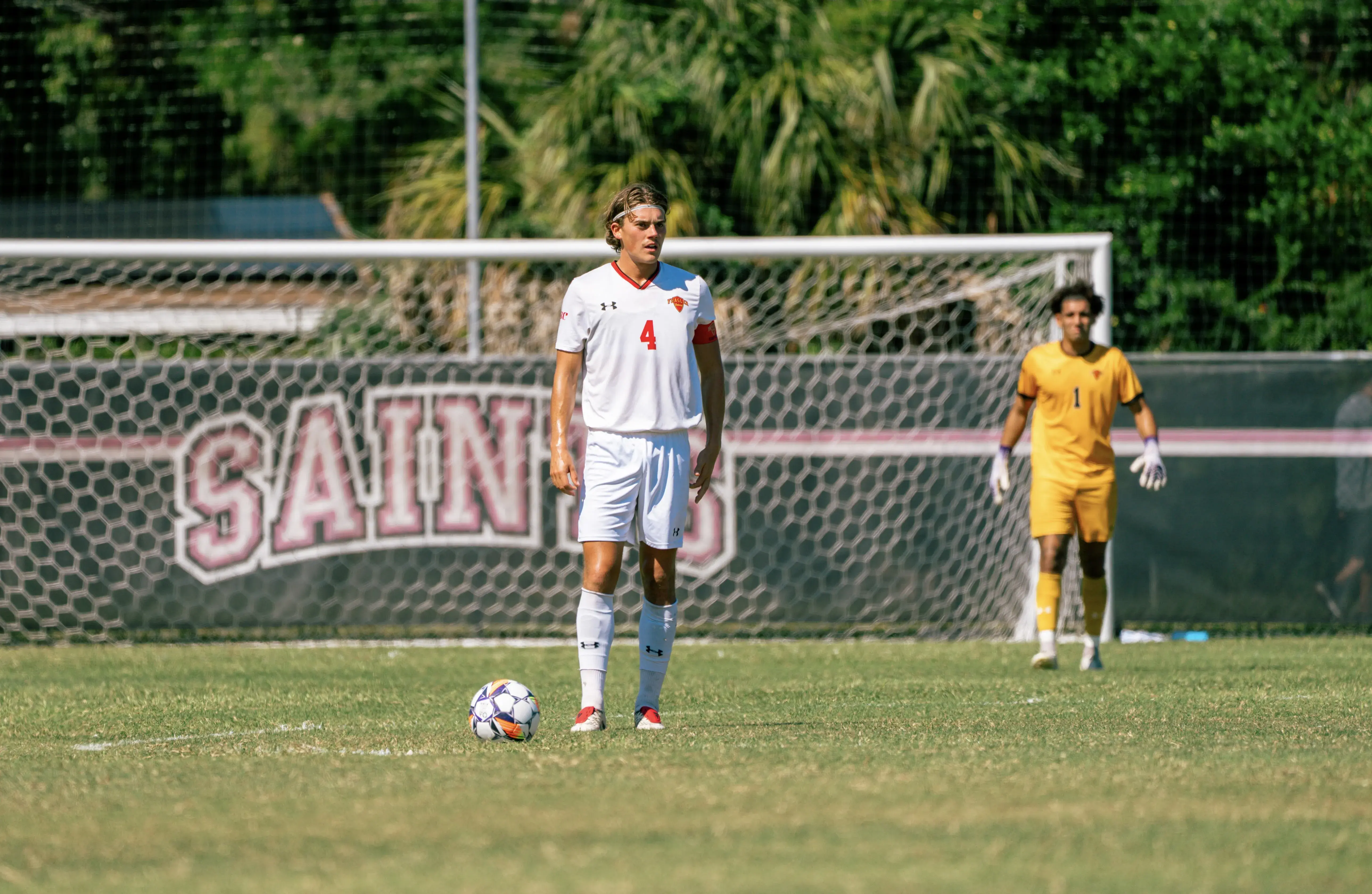
On the soccer field, leadership is less about words and more about action, and Gustav Moberg exemplifies this approach as captain of the Flagler men’s soccer team.
Soccer, a fast-paced 90-minute game with constant shifts in momentum, demands that leaders maintain focus, trust, and energy throughout. For Moberg, motivating his teammates doesn’t mean giving constant speeches; it means trusting each player, showing effort through his own performance, and fostering belief in the team’s collective ability.
“I rely on my teammates to help me out in motivating others, and I know I will always play every game at 100% effort. If I can display motivation through my actions, that is great,” Moberg said.
“Ultimately, my way of motivating is to make sure that there is always belief that we can win a game, but also to let others be leaders.”
His leadership was on full display during the Peach Belt Conference Championship against North Georgia, when the team’s hard work culminated in a thrilling 2-1 overtime victory.
“In that moment, all of our hard work, early preseason sessions, and long hours on the field and in the gym finally gave us something tangible to cherish: that trophy,” Moberg said.
Moberg emphasizes that being a captain doesn’t change the way he plays, because it’s more about carrying responsibility without letting it overshadow the love of the game.
“I still step out on the pitch like I did when I was five, with or without an armband,” he said.
Beyond the field, the role has taught him valuable life skills, from motivating others to taking responsibility and understanding people, lessons that carry into school, work, and everyday life.
“This role has helped me realize more about myself and how to work with people,” Moberg said.
For students aspiring to leadership, Moberg’s advice is simple but powerful: the armband isn’t what makes a leader—it’s the ability to serve the team.
“The main concern of a leader is the team’s success, so do what is best for your team,” Moberg concluded.
Emily Ricci | Softball | Junior Catcher
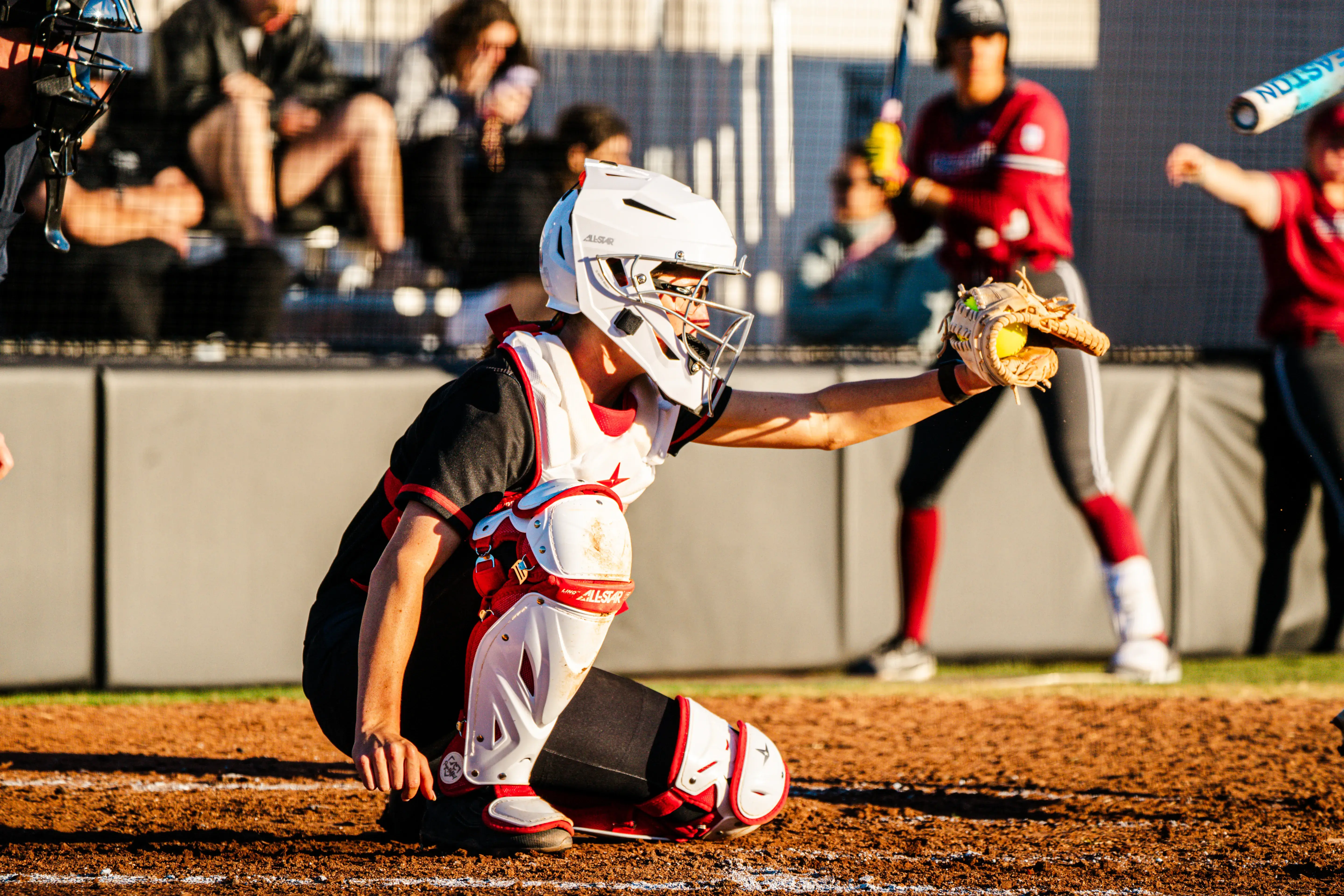
Softball is a game that combines power, precision, and teamwork. Players must react quickly to every pitch, coordinate as a unit in the field, and maintain focus under pressure. It’s also a sport where mental toughness is as important as physical skill, and a strong leader can make the difference between a win and a loss.
Emily Ricci, captain of the Flagler softball team, understands that dynamic firsthand and embodies the steady leadership it demands.
"The most important lesson I have learned as a captain is that you must meet people where they are and find what motivates them. It allows you to better connect with your teammates and earn the trust of the team,” Ricci said.
Her leadership was on full display during the 2025 NCAA Division II Southeast Regional elimination game against Georgia Southwestern on May 10, when Flagler faced a win-or-go-home moment. Trailing by four runs in the bottom of the seventh inning, Ricci and her fellow captains refused to let the moment define them, rallying their fellow Saints with poise and belief. View the full box score here.
The response was immediate, and Flagler surged for five runs to secure the comeback 6-5 victory. It was a defining example of how confidence, composure, and collective trust can shift momentum when it matters most.
“I poured confidence into our senior-heavy lineup that this was not going to be their last game,” Ricci said.
For Ricci, leadership extends beyond the field. Softball has taught her how to communicate, resolve conflicts, and rely on her teammates, which are lessons she carries into school, work, and everyday life.
Henriette Stranda | Women’s Golf | Senior
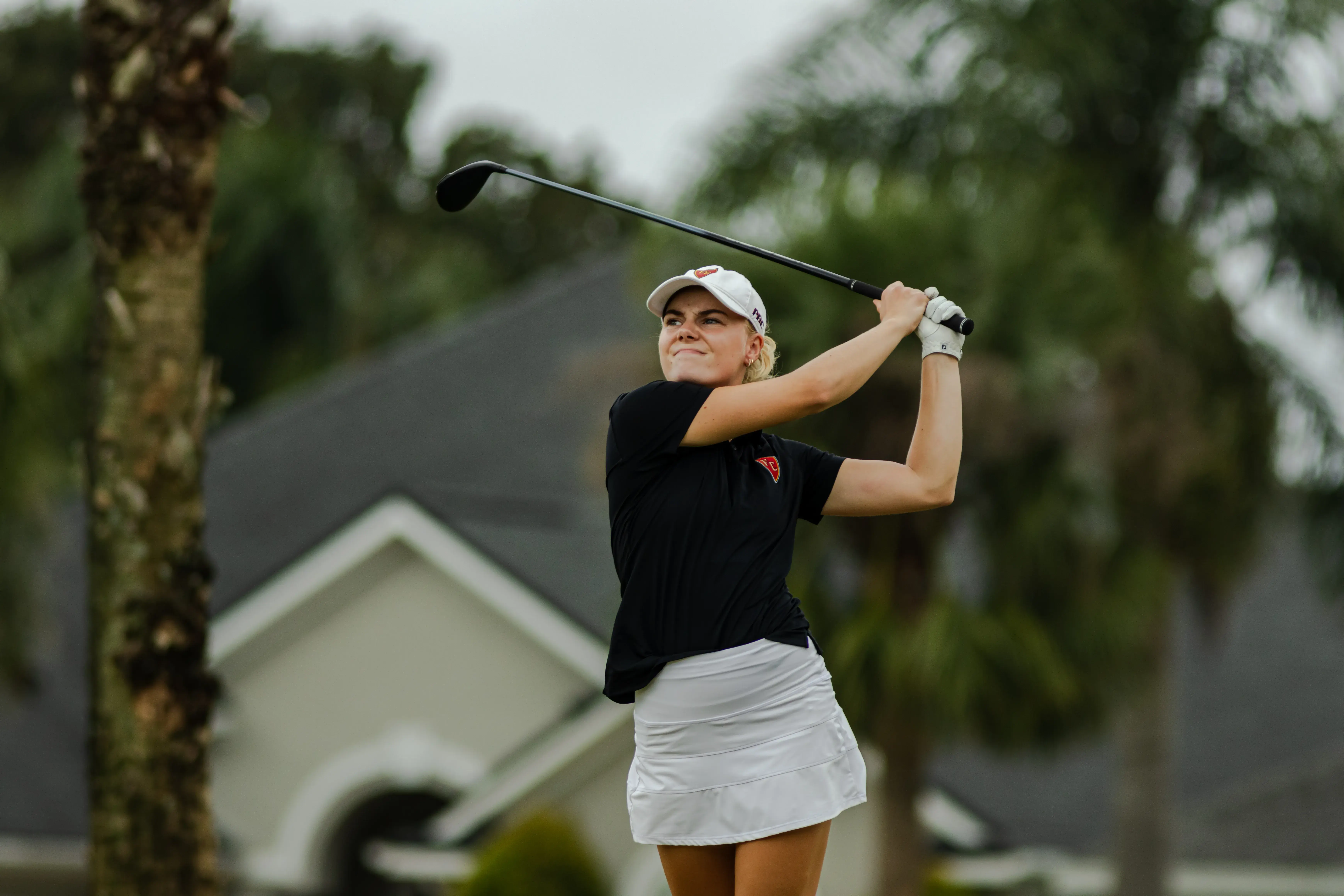
Golf is a sport of focus, patience, and precision. Each shot requires careful calculation, steady nerves, and the ability to adapt to changing conditions. While often thought of as an individual game, golf teams rely on captains to cultivate a positive culture, support teammates, and foster trust.
Henriette Stranda, captain of the Flagler women’s golf team, brings that support and focus to her leadership.
“Being named captain means being trusted to support my teammates and protect the culture we have built. That trust is very important to me,” Stranda said.
Stranda’s leadership is shaped by experience. Growing up in Norway, she practiced in competitive but supportive environments that taught her patience, focus, and commitment.
During tournaments, she keeps her teammates grounded by reminding them to trust their preparation and focus on each shot individually.
“Golf has taught me to stay present and not look too far ahead. Every day is a new opportunity, just like the next shot during a tournament,” she said.
A highlight of her career came last spring when Flagler placed third at the 2025 NCAA Division II National Championship in Las Vegas, showing how preparation, teamwork, and leadership can combine to achieve success. Read the tournament recap here.
“Experiencing that moment alongside my teammates and coaches is something I will always remember,” Stranda said.
For Stranda, golf demonstrates that leadership isn’t just about performance; it's about supporting others, fostering focus, and helping a team perform at its best, lessons that carry into life beyond the course.
Hoku Fisher | Men’s Basketball | Senior Guard
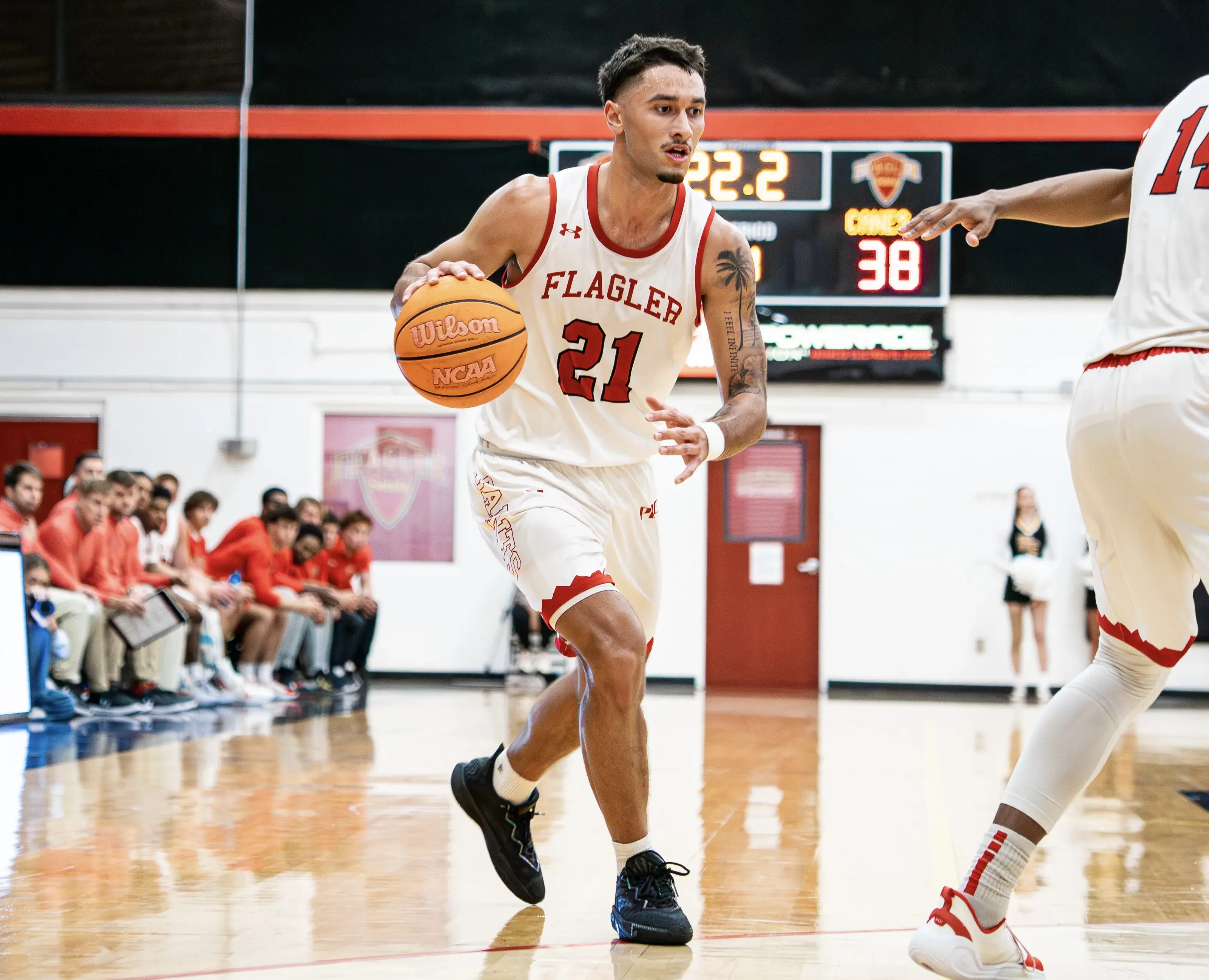
Basketball is a fast, physical game where momentum can change in seconds, making leadership essential. For Hoku Fisher, captain of the Flagler men’s basketball team, leadership is rooted in responsibility, belief, and unity.
“The biggest lesson I’ve learned as a captain is the responsibility it requires, not just within the game but off the court as well,” Fisher said.
Rather than motivating through volume, Fisher leads through presence and consistency. Whether he is on the floor doing the “dirty work” or on the sideline encouraging teammates, his focus remains on effort, communication and belief.
“I’ve never been a yell-at-you-to-motivate-you type of guy, but I will make it known that I believe in our team,” he said. “Some nights I’m not on the court as much, and that’s when it’s best for me to encourage the guys to keep attacking and stay positive.”
That mindset was evident earlier this season when Flagler faced a top-25 opponent. Despite trailing for most of the game, Fisher continued to push the team to stay locked in and keep competing.
“Just one talk didn’t win us the game, but constant positive energy always affects us in the best way,” he said.
Fisher views leadership as equality, not hierarchy. He believes success disappears the moment one player places themselves above the team.
“Everyone on the team is equal,” he said. “The only difference about being a leader is the reminder that I must keep pushing everyone in the right direction.”
Team chemistry has been a defining strength of the group. Fisher said the team has avoided conflict by prioritizing bonding from day one.
“This is the closest group of guys I’ve played with in four years,” Fisher said. “All 15 of us can go somewhere, and it’s never quiet. We’re always laughing.”
For Fisher, performance and leadership are not dependent on one another. Whether he is scoring or supporting from the bench, his role remains the same.
“At the end of the day, all we want is to win and have fun doing it,” he said. “We’re trying to do something special this year, and we’re doing it together.”
Leading Beyond the Game
Across lacrosse, soccer, softball, basketball, and golf, these Saints captains prove that leadership is about more than skill or statistics; it is about trust, resilience, and the ability to elevate everyone around you.
Whether calming nerves on the lacrosse field, inspiring belief on the soccer pitch, rallying the softball team in the final inning, or reinforcing focus on the golf course, these student-athletes show that the lessons forged through competition extend far beyond the game itself.
Their dedication, teamwork, and commitment to leading by example are qualities that will carry into every chapter of their lives, proving that the most meaningful victories are not always measured in points or trophies, but in growth, connection, and the lasting impact they have on others.
At Flagler College, captains do more than lead teams—they help shape what comes next.